REVIEW · GOREME
3 in 1 Cappadocia Tour
Book on Viator →Operated by Stoneland Travel · Bookable on Viator
Cappadocia, packed into one calm day. This private tour from Göreme mixes rock-carved wonders with the famous Göreme Open-Air Museum, plus hotel pickup and a guide you can ask anything.
What I like most is how the day is built for real sight time, not just driving: included lunch and bottled water keep you moving, and an air-conditioned minivan takes the stress out of hopping between valleys. I also love that you get a proper guide, not a rushed slideshow.
One thing to watch: not every stop has its admission ticket included in the price. Parts of the day can mean extra cash for tickets, so budget for that before you go.
In This Review
- Key takeaways before you go
- From 9:15 Pickup to a Full 8 Hours in Cappadocia
- Göreme Open-Air Museum: Why This Is the Real Starter
- Kaymaklı Underground City: Cooler Air and a Big Survival Lesson
- Uchisar Castle and Ortahisar: Two Viewpoints, Two Different Vibes
- Zelve Open-Air Museum: Fairy Chimneys with More Edge
- Pasabag Three-Headed Fairy Chimneys: The Classic Shot
- Devrent Valley and the Horse-and-Myth Feeling
- Ürgüp and the Ortahisar Connection: Legends in Stone
- Bezirhane Ceramics and the Clay Story (Not Just Souvenirs)
- Price and Logistics: What You’re Actually Paying For
- Who This Tour Is Best For (And Who Might Prefer Something Different)
- Should You Book the 3 in 1 Cappadocia Tour?
- FAQ
- What time does the tour pickup start?
- How long is the 3 in 1 Cappadocia tour?
- Is this tour private?
- What is included in the tour price?
- Which sites have admission tickets not included?
- Are drinks included with lunch?
- What is the cancellation policy?
Key takeaways before you go
- Private pacing: you’re on your own group schedule, so questions don’t get squeezed to the end
- Big-hits route: Goreme area, Kaymaklı underground city, Uchisar, Zelve, Pasabag, Devrent, Ürgüp, and Ortahisar
- Food covered: lunch plus bottled water are included, but drinks are not
- Some tickets extra: Kaymaklı, Uchisar, Zelve, and Pasabag are listed as not included on the day plan
- Ceramics stop: Bezirhane brings in the clay story (terra rosa and caulin), not just photos
- A guide name you may hear: Selim is mentioned in past comments for making geology and history easy to understand
From 9:15 Pickup to a Full 8 Hours in Cappadocia
This is an 8-hour guided loop designed for a one-day hit list. Pickup starts around 9:15am from your hotel, and the tour kicks off shortly after. Expect a long but manageable day: you’re moving from one iconic rock formation to the next, with short site windows that still give you time to look closely.
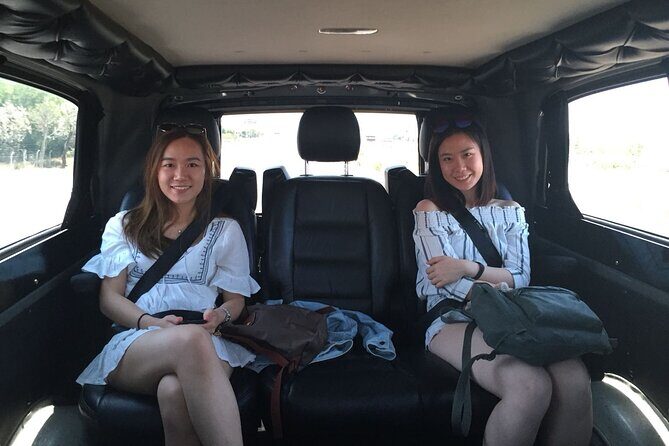
The logistics are one of the practical wins here. You don’t have to figure out local transport or pay for multiple rides; you’re in an air-conditioned minivan with round-trip hotel pickup and drop-off. In Cappadocia, that matters because distances between sites can eat hours fast if you go DIY.
Budget-wise, you should think of it like this: the price includes the guide, lunch, water, and transportation. Some admissions are handled, but the day plan also lists several stops where the admission ticket is not included, so you might end up paying at those entrances. If you’re the type who hates surprises at ticket gates, this is the one detail you’ll want to plan for.
Also, the tour provides a mobile ticket, so you should be set as long as your phone is charged and you have the confirmation info ready.
You can also read our reviews of more tours and experiences in Goreme.


Göreme Open-Air Museum: Why This Is the Real Starter
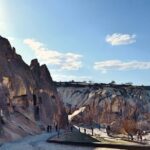
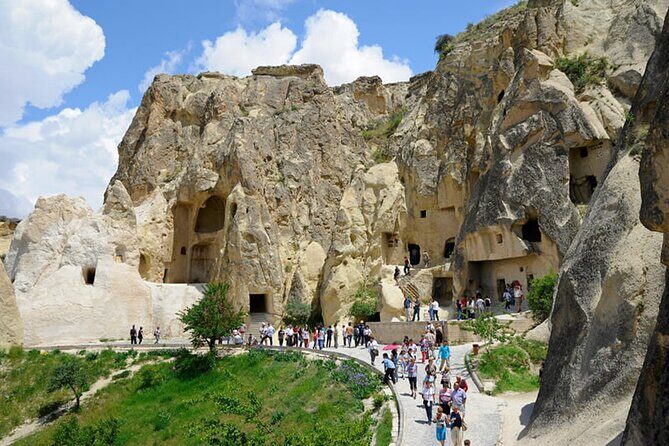
Most one-day Cappadocia tours start strong, and this one begins in the Göreme area with the UNESCO-listed Göreme Open-Air Museum. This is where Cappadocia stops being a set of pretty viewpoints and becomes a human story carved into stone.
What I like about this stop is the way the site trains your eye. Once you’ve seen churches and dwellings cut into the rock, the rest of the day clicks into place. The “fairy chimney” shapes you see later start to make more sense when you’ve already seen how the landscape was used for living, worship, and survival.
The time window here is short, so your best move is simple: don’t try to memorize everything. Instead, pick a couple areas to focus on, watch where the light hits the rock, and listen to what your guide points out. A good guide will connect the dots between geology and what people built.
And since this is a private tour, you get an advantage: if you want to ask why certain structures look the way they do, you won’t be competing with a large bus group. This is where guides like Selim stand out in past comments—people praise his ability to explain background in a way that feels clear, not lecture-y.
Kaymaklı Underground City: Cooler Air and a Big Survival Lesson
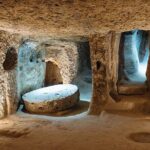
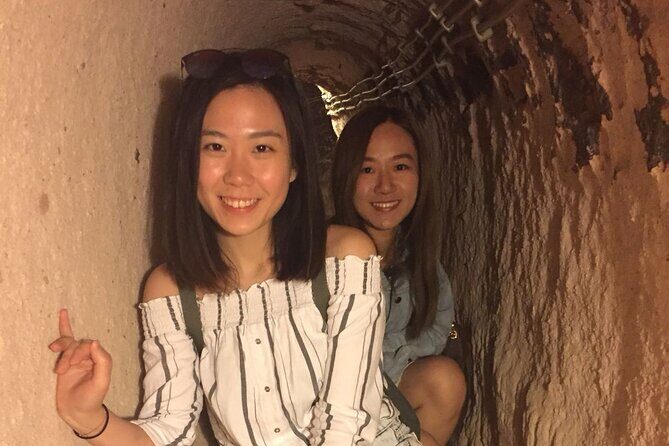
Next comes Kaymaklı Underground City, one of Cappadocia’s most striking underground experiences. The reason this place works so well on a single day is that it’s not only about visuals—it’s about scale and purpose.
The underground story here has layers. Locals used underground spaces like a natural deep freeze, and later Romans used these tunnels and rooms as shelter during threats such as invasions. The tour also notes that Derinkuyu is the deepest underground city in the region, which gives you a sense that this underground world wasn’t a one-off trick—it was a whole system of hiding and living.
A practical note: underground areas tend to have uneven surfaces and can feel cooler and darker than you expect. You don’t need to be athletic, but it helps to wear shoes you trust and keep a light pace through the corridors. If you’re the kind of traveler who dislikes tight spaces, take it slow and stick close to the guide.
One more key detail: the day plan lists Kaymaklı’s admission ticket as not included. That doesn’t make the stop less worth it—it just means you should carry a little extra cash (or whatever payment method your guide tells you to use).
Uchisar Castle and Ortahisar: Two Viewpoints, Two Different Vibes
Cappadocia has lots of “look-out spots,” but Uchisar Castle and Ortahisar Castle are special because they’re built into the terrain.
Uchisar Castle sits on the highest point of the region, and it’s described as having a distinct castle form with graves, tunnels, and churches. The point isn’t just that it’s high. It’s that it feels like a stone fortress shaped by how people needed to live and protect themselves.
Later, you’ll also visit Ortahisar, known for a striking fairy chimney shape and steep valleys on three sides. The day plan notes it as one of the first multi-storey settlements in the world. The practical takeaway is that you’re seeing how the same rock formations can serve totally different functions—defense here, settlement and shelter there.
Both stops are time-boxed, so treat them like short photography and viewpoint sprints rather than long museum visits. If the wind is strong (it often can be), plan to pause often and let your eyes adjust.
Admission tickets for Uchisar Castle are listed as not included. Ortahisar’s entrance is listed as free in the day plan, so that’s one spot where the tour helps you keep costs steadier.
Zelve Open-Air Museum: Fairy Chimneys with More Edge
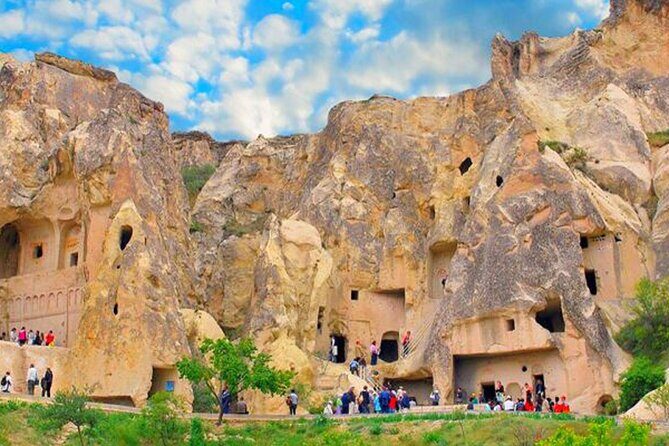
After Uchisar, the tour heads to Zelve Open Air Museum, a UNESCO-listed site in the region. This area is known for its fairy chimneys and rock-cut spaces, and it can feel more rugged than some of the more polished viewpoints.
What I like about Zelve is that it gives you variety in the fairy chimney shapes. You don’t just see one iconic form; you see many versions in different stages of erosion and use. The result is a more realistic sense of how the land changes over time.
There’s also something about being in a former settlement space that makes the shapes feel less like cartoon volcanos and more like homes. The pointed, sharp chimney forms are there—but you also get the context of how people occupied the valleys.
Here again, your planning matters: Zelve’s admission is listed as not included. Since you’re already paying for the guide and transportation, I treat these extra-ticket moments like add-ons that you only justify if you’re genuinely interested in Cappadocia beyond the postcard version.
If you want to ask questions about what you’re seeing—like how people used those rock cavities—this is a great time to do it.

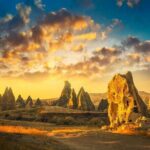

Pasabag Three-Headed Fairy Chimneys: The Classic Shot
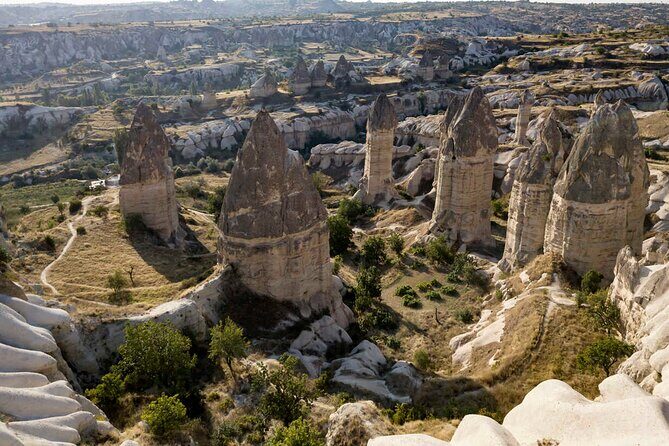
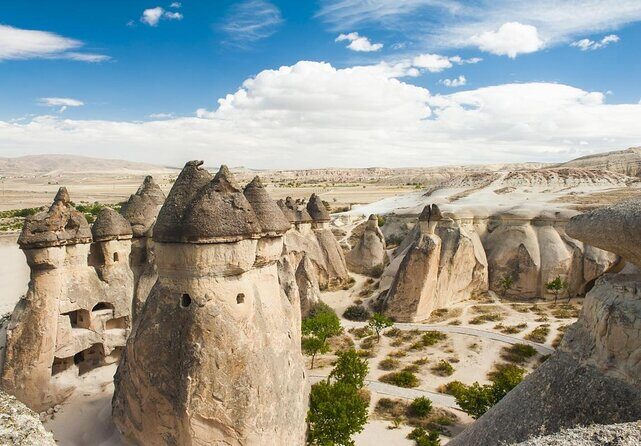
Then comes Pasabag, also known as Pasha’s Vineyard, famous for the best-known fairy chimney formations. The standout detail: three-headed fairy chimneys. If you’ve ever pictured Cappadocia in your mind, chances are this is the scene you’re picturing.
Pasabag’s real value isn’t just the wow-factor (though it delivers). It’s that this is one of the clearest places where the rock shapes make you say, ok, this isn’t random. The surrounding rock formations frame the chimneys in a way that makes the whole scene feel composed.
Time here is short, so I’d focus on getting one or two angles where the chimneys line up well with the background. If you’re traveling in peak season, you might want to be patient and wait for a clear moment before taking your best photos.
Admission for Pasabag is listed as not included. That means you should factor it into your total budget, but it’s still one of the most “worth it” stops on a one-day plan because it’s iconic and visual.
Devrent Valley and the Horse-and-Myth Feeling
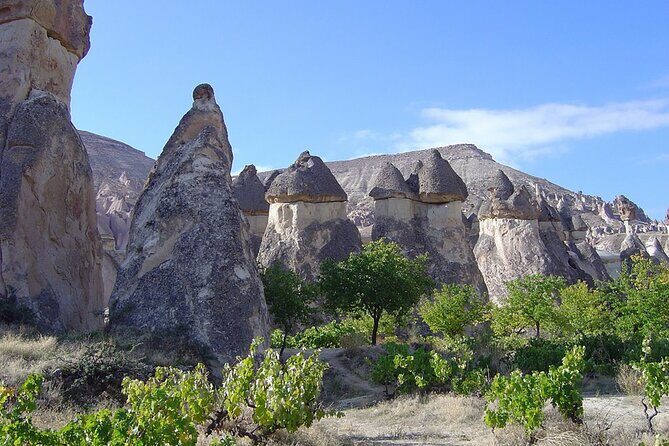
Next is Devrent Valley, which is described as ruins spread over three valleys, with pointed fairy chimneys and a more open feel. This is a good counterbalance to the more “structured” museum sites because it feels like nature and imagination working together.
Devrent is also where you can start seeing why the region gets nicknames tied to animals and imagination. Even if you’re not sure what you’re looking for at first, the point is to slow down and let the shapes suggest what they resemble. Your guide can help connect the dots in plain language.
The day plan lists Devrent Valley admission as included, so this is one stop where you’ll feel the value of what’s already covered.
Ürgüp and the Ortahisar Connection: Legends in Stone
Cappadocia isn’t only geology. It’s also legend, and the tour uses that to keep your attention during the shorter stops.
In Ürgüp, you’ll hear about the legend of the Three Beauties. The story connects the name to a fairy chimney shape described as two adults and a child. This kind of explanation helps you see the formations as part of local storytelling, not just wind and erosion.
Then the day ends with Ortahisar, where the castle settlement story becomes a practical lesson in survival. The steep valleys on three sides weren’t an accident—they offered protection and shelter. When you stand in these spots, the “why” feels obvious.
Admission for Ürgüp and Ortahisar is listed as free in the day plan, which helps balance out the extra-ticket stops earlier.
Bezirhane Ceramics and the Clay Story (Not Just Souvenirs)
One of my favorite parts of this kind of Cappadocia day is the one stop that isn’t just about viewpoints. Here that role goes to Bezirhane Culture, Arts and Ceramics Center.
This stop is focused on clay and craft history. It explains that Hittites around 2000 BC were aware of clay sources in the region: terra rosa (red clay) from around the Kızılırmak river, described as Turkey’s longest river, and caulin (white clay) from volcanic hills. The tour also notes that people shaped clay by hand on spinning wheels.
Even if you’re not buying ceramics, this matters because it adds a human layer. Cappadocia’s rock isn’t just scenery; it links to materials people used every day. It makes the region feel less like a theme park and more like a place that has been lived in and worked for thousands of years.
Admission here is listed as free, so it’s another value-leaning stop.
Price and Logistics: What You’re Actually Paying For
The price is $231.29 per person for a roughly 8-hour guided day with hotel pickup and drop-off, a professional guide, and a private group setup. You also get bottled water and lunch, plus transport by air-conditioned minivan.
To judge value, I look at what saves me time and mental energy:
- Hotel pickup and drop-off means no taxi math or schedule stress.
- Lunch and bottled water prevent the usual mid-day scramble.
- A private guide gives you room to ask questions and understand what you’re seeing instead of just collecting photos.
What’s not included is drinks. That’s usually a small cost, but it’s still a real one if you drink tea, soda, or water beyond what’s provided.
The other value question is entrance tickets. The day plan lists some tickets as not included (Kaymaklı Underground City, Uchisar Castle, Zelve Open Air Museum, Pasabag), while others are marked as free or included (Devrent Valley is listed as included; Ürgüp and Ortahisar are listed as free; Bezirhane is free; and the Göreme-area opener is listed as free). So plan to pay for some entrances, especially the museum-style or major-ticket sites.
If you hate budgeting uncertainty, this tour can still work—but you should think of it as a guided day with optional add-on admissions rather than a fully turnkey fee bundle.
Who This Tour Is Best For (And Who Might Prefer Something Different)
This tour is a strong match if you want a one-day Cappadocia plan that hits several top sights without needing to coordinate transport. It’s especially good for people who:
- want expert guidance while moving between sites
- like the Göreme-area mix of churches and rock-cut spaces
- care about geology and survival history, not just views
It’s also a good choice if you’re traveling with limited time and you’d rather see more key stops than pick only one valley.
I’d be a little cautious if you:
- dislike long walking and uneven surfaces (some underground and castle areas can be physically demanding)
- want a strictly fixed, no-extra-tickets day (because several admissions are not included)
If your group includes kids, the tour info says children must be accompanied by an adult, and it notes most travelers can participate. So it’s generally flexible, but still a full schedule.
Should You Book the 3 in 1 Cappadocia Tour?
I’d book this tour if you want a well-paced sampler of Cappadocia with private guide time, plus a mix of underground history and the iconic fairy chimney scenes. The included lunch and hotel pickup make it easier on your day than many DIY options.
I’d think twice if your main goal is only one or two specific sights and you want zero extra admission charges. In that case, you might prefer a tour that includes every entrance fee or a smaller, slower route.
For your best day, do two things:
1) expect you’ll pay some entrances on the schedule
2) bring questions for your guide—this tour is set up for you to use them.
FAQ
What time does the tour pickup start?
Pickup starts at 9:15am from your hotel in the Göreme area, and the tour begins shortly after.
How long is the 3 in 1 Cappadocia tour?
The duration is listed as about 8 hours.
Is this tour private?
Yes. It’s a private tour/activity, meaning only your group participates.
What is included in the tour price?
The tour includes hotel pickup and drop-off, transport by air-conditioned minivan, a professional guide, lunch, bottled water, and a private tour. A mobile ticket is also provided.
Which sites have admission tickets not included?
The day plan lists admission tickets as not included for Kaymaklı Underground City, Uchisar Castle, Zelve Open Air Museum, and Pasabag.
Are drinks included with lunch?
No. Drinks are listed as not included.
What is the cancellation policy?
This experience is non-refundable and cannot be changed for any reason. If you cancel or request changes, the amount paid is not refunded.