REVIEW · GOREME
7 Days Istanbul, Cappadocia and Ephesus Tour
Book on Viator →Operated by Pupa Travel · Bookable on Viator
A seven-day route through three ancient worlds. This private tour stitches together Istanbul’s Ottoman icons, Cappadocia’s fairy chimneys, and Ephesus’s Roman powerhouses, with private A/C transfers that keep you moving without the hassle. I especially like the balance of big-ticket sights plus short walking moments that help you get your bearings fast. You’ll also appreciate lunch included each day, because it makes the long days feel manageable. The one thing to keep in mind is pace: you’ll cover a lot of ground, and there are flights inside the trip.
You’ll be met at Istanbul Airport by a driver holding a board with your name, then taken to your hotel in the old district for an orientation and a good first night. This is set up as a private experience (just your group) with a guide you can ask questions to, and you’ll use a mobile ticket for the tour.
In This Review
- Key highlights you’ll feel right away
- Istanbul Airport to the old district: your first win is smooth logistics
- Blue Mosque and Topkapi Palace: the Ottoman duo done efficiently
- Grand Bazaar jewelers and the Spice Market: shopping with context
- Hippodrome, Hagia Sophia, Basilica Cistern, and a Bosphorus cruise reset
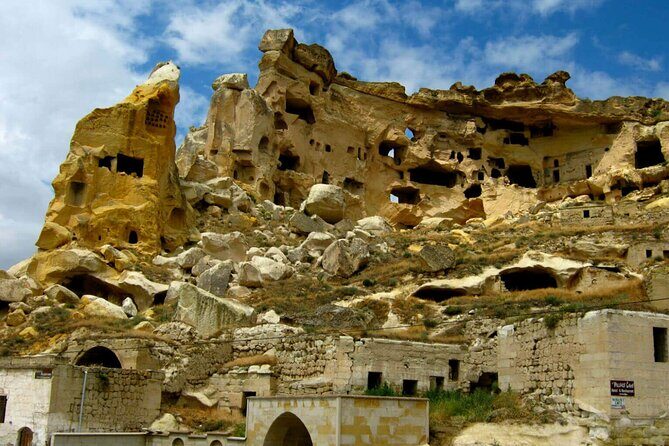
- Cappadocia from Devrent and Pasabag to Göreme Open Air: views plus the real cave world
- Kaymakli Underground City and the Soganli valley churches: survival, not just scenery
- Ephesus day in Selçuk: Artemis, St. John, Meryemana, and the artifacts
- Priene, Miletus, and Didyma: the Ionian finale that feels thoughtful
- Price and value: what $1,410 buys you here
- Who should book this private 7-day route
- Should you book this 7-day Istanbul, Cappadocia and Ephesus tour?
- FAQ
- How long is the tour?
- What time does the tour start?
- Will I be picked up at the Istanbul airport?
- Are airport transfers included?
- Is lunch included?
- Are admission tickets included?
- Is this a private tour?
- How does the tour move between regions?
- Can I change or get a refund if I cancel?
Key highlights you’ll feel right away
- Name-board airport pickup plus hotel transfer to start without stress
- Blue Mosque + Topkapi scheduled tightly for an efficient Ottoman day
- Grand Bazaar and Spice Market combined with guided context, not random browsing
- Cappadocia viewpoints and cave churches from Devrent to Göreme Open Air
- Kaymakli Underground City framed as real survival architecture
- Ephesus with the “big names”: Temple of Artemis, St. John, and Meryemana
Istanbul Airport to the old district: your first win is smooth logistics
The day you arrive, you’re not left guessing. A transferman meets you at Istanbul Airport with a sign showing your name, then takes you to your hotel in the old district. After check-in, you rest, then your guide meets you and gives an orientation about Istanbul and how the seven-day flow works.
This matters because Istanbul can overwhelm you fast. If you start with clear guidance—what to see, where to walk, and how not to get turned around—you’ll enjoy the monuments more later. Your day-to-day tours begin with a 9:30am start time, so you’ll want an early mindset even if your flight lands later.
Also, this is built as private touring with private airport transfers and a private A/C minivan, which usually means fewer delays than shared shuttles. If you’re the type who hates waiting with strangers, this setup is a big part of the value.
You can also read our reviews of more tours and experiences in Goreme.


Blue Mosque and Topkapi Palace: the Ottoman duo done efficiently
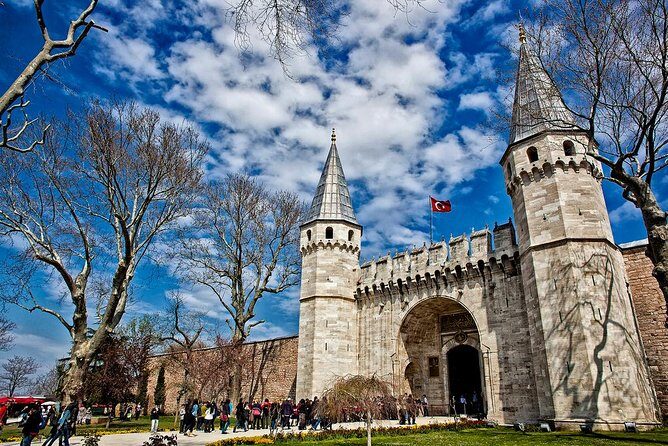
Your first major guided walk goes straight to the Blue Mosque, completed in 1616 by Ottoman Sultan Ahmet I. It’s the kind of sight that’s best understood with a guide in plain language: why it looks the way it looks, how it fits into Ottoman power, and what you’re actually seeing when you look up at the interior details.
From there, you move to Topkapi Palace, more than one building. It’s an assemblage of museums created from collections gathered by sultans over roughly five centuries. Even if you’re not a museum person, the value here is the scale and the structure. You’re not just staring at one hall—you’re getting a sense of how the Ottoman court stored, displayed, and governed through these collections.
Practical note: both stops are timed and guide-led, so you’ll want comfortable clothes and shoes you can stand in. These are not “quick photos and out” places if you want the story to land.
Grand Bazaar jewelers and the Spice Market: shopping with context
After lunch, you head to the Grand Bazaar Jewelers, described as one of the oldest shopping markets, dating back to the 16th century. The key benefit isn’t shopping itself—it’s having a guide steer the experience so you understand what you’re looking at, and how the bazaar works.
Then you walk downhill toward Misir Çarşısı (Spice Market). This stop is paired with the idea that you’re moving from larger religious landmarks down into a street-level world of ingredients, sweets, and daily commerce. You’ll have time to browse spices and Turkish delight without it feeling like aimless wandering.
If you want to shop, I recommend deciding in advance what you’re actually buying. Spices, teas, and small gifts are easier to pack and judge on quality. Big textile or carpet purchases are harder to compare on a tight schedule, and the day already has a lot in it.
Hippodrome, Hagia Sophia, Basilica Cistern, and a Bosphorus cruise reset
Once you’re done with your hotel check-out, your Istanbul touring day balances multiple eras instead of repeating the same style of landmark.
You start at the Roman Hippodrome dating to the 2nd century A.D., where you can see the Obelisk of Tuthmosis the third, the German Fountain, the Serpent Column, and the Obelisk of Constantine. With a guide, these monuments stop feeling like random pieces and start connecting to what the city used to do there—crowds, spectacle, and imperial messaging.
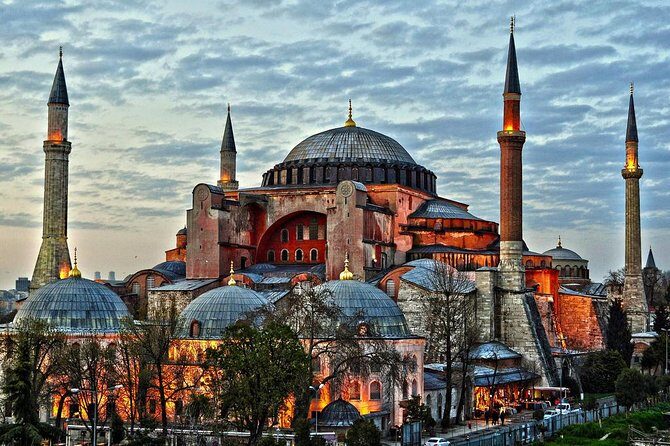
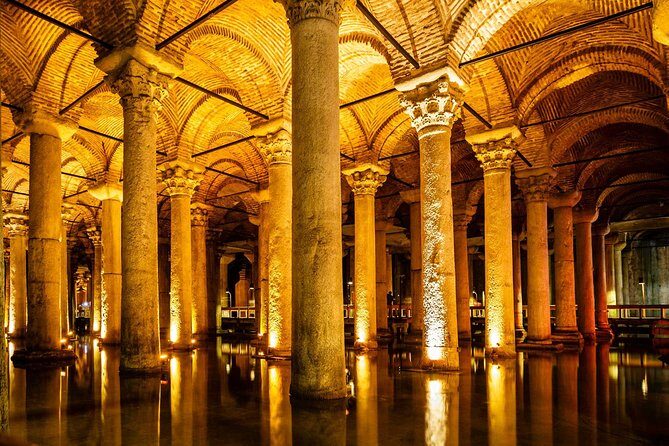
Next is Hagia Sophia, built in 537. Then you see the Basilica Cistern, built at the same time as Hagia Sophia. Together, they make a strong pair: you understand how water, stone, and religion shaped daily life and state power.
After lunch, you take a Bosphorus cruise for about two hours, seeing palaces, summer mansions, and Ottoman-era houses along the strait. This is one of the best pacing choices in the entire plan. It’s sightseeing, yes, but it also gives your feet a break and gives you a new viewpoint on the city.
Later, you transfer toward the airport and continue onward to Cappadocia, then overnight there.
Cappadocia from Devrent and Pasabag to Göreme Open Air: views plus the real cave world
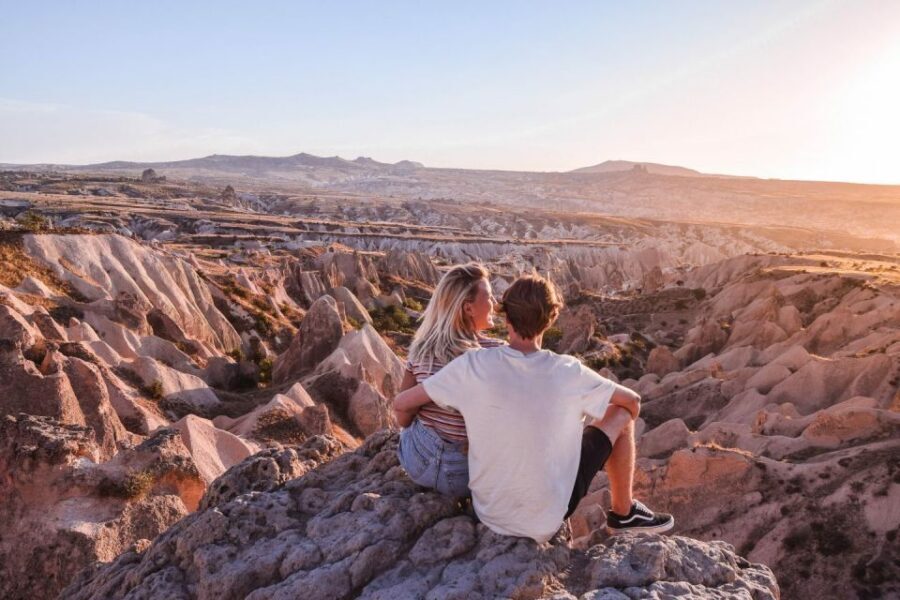
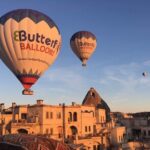
Cappadocia is the part of the trip where you’ll feel the “wow” moment most clearly, but the best value is how the stops are arranged. You’re not just driving past viewpoints.
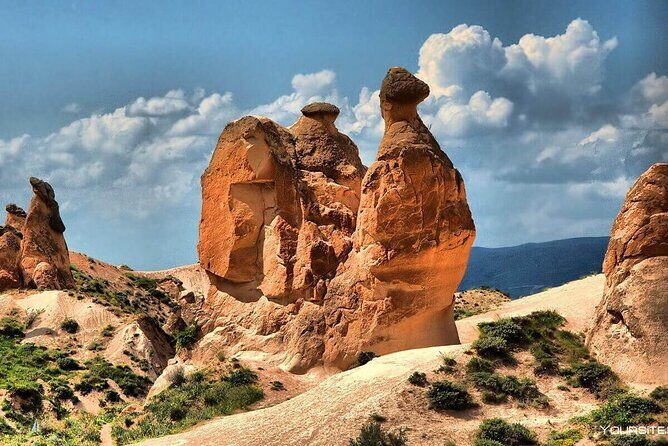
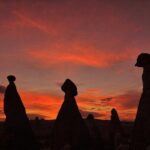
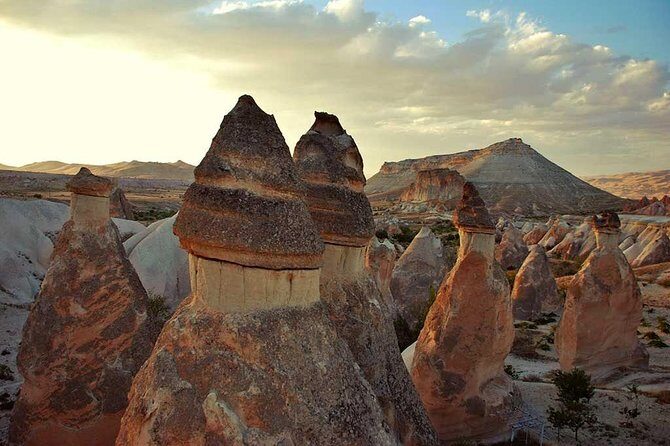
You begin at Devrent Valley (Imagination Valley), where you’ll see fairy chimney formations said to have formed almost 30 million years ago. Next comes Pasabag, also known as where you find the most interesting fairy chimneys, the ones people liken to the Hobbit and Smurfs shapes.
Then you stop at Avanos Oren Yeri, including a chance to visit a local pottery shop. You’ll hear how people created art dating back to the Hittite period. Even if you don’t buy anything, this gives Cappadocia more depth than rock shapes alone.
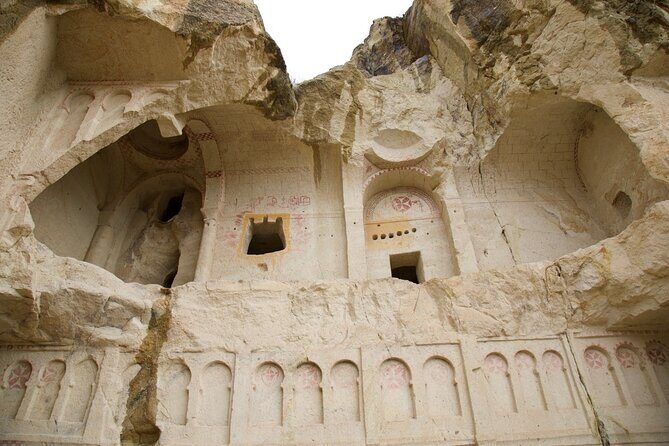
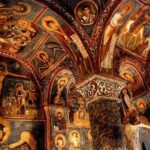
At Göreme Open Air Museum, you explore cave churches—530 are referenced—with time to see why this area became so important. After that, you’ll also get viewpoint time at Cappadocia cave dwellings, and then visit Uchisar Castle and Pigeon Valley, plus a Göreme Panorama photo stop.
Here’s how to make this day work for you: wear layers. You’ll move between sun and shade, and a lot of the joy is stopping for photos and looking around slowly, even if the schedule is full.



Kaymakli Underground City and the Soganli valley churches: survival, not just scenery
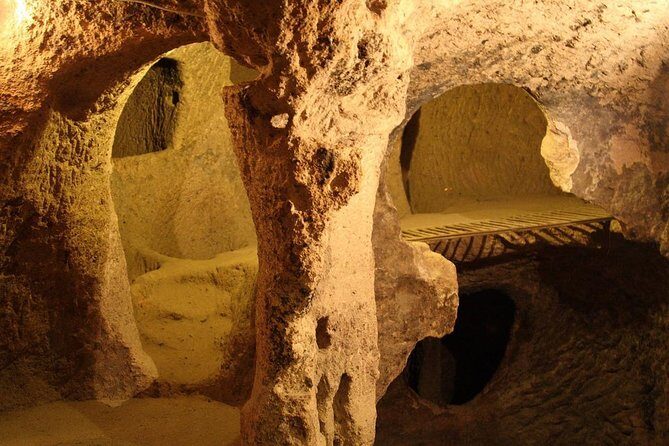
Cappadocia changes tone on this day. You go underground—literally.
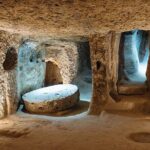
First is Kaymakli Underground City, where you can see how Christians protected and defended themselves from persecutions and invasions for centuries. That framing matters because the underground spaces aren’t just “cool caves.” They were built for life when the world above wasn’t safe.
Then you drive to Sinassos (Sinasos Kilisesi), an Old Greek Village that was re-inhabited after 1927. It’s a reminder that Cappadocia wasn’t only monasteries and cave churches—it was people living, leaving, and returning.
Next is Soganli Valley, described as mostly abandoned, but with churches worth seeing. The vibe here is quieter. Instead of chasing one giant highlight, you’re walking through the leftovers of community life.
After these stops, you head to Kayseri Erkilet Airport (ASR), fly to İzmir, then drive about an hour and a half to your hotel so you can rest for the next day’s Ephesus touring.
Ephesus day in Selçuk: Artemis, St. John, Meryemana, and the artifacts
Ephesus is the centerpiece for many people, but this plan doesn’t treat it like one stop and done. You get a full day built around the major religious and cultural anchors.
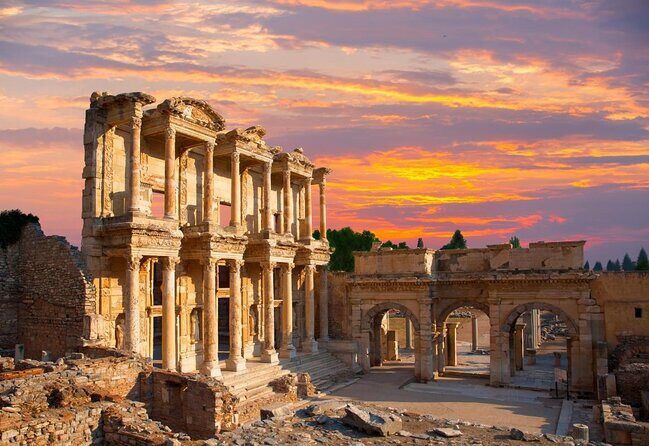
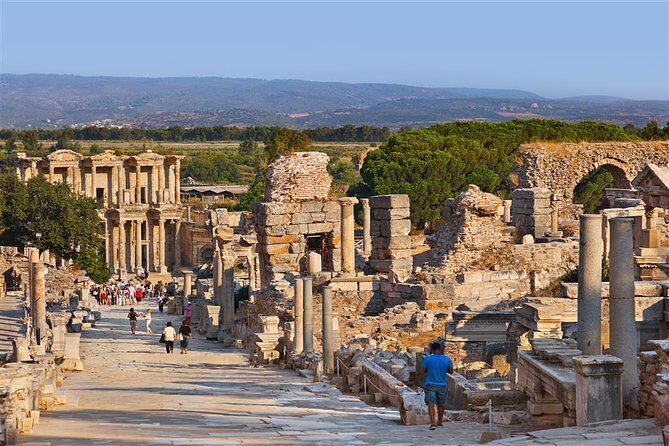
You start with the Ancient City of Ephesus, with time to stroll and get lost inside the site. Then after lunch you head to the Temple of Artemis, one of the Seven Wonders of the Ancient World. Next you visit Saint John Kilisesi (Basilica of St. John), donated by Justinianus, who also financed Hagia Sophia in Constantinople.
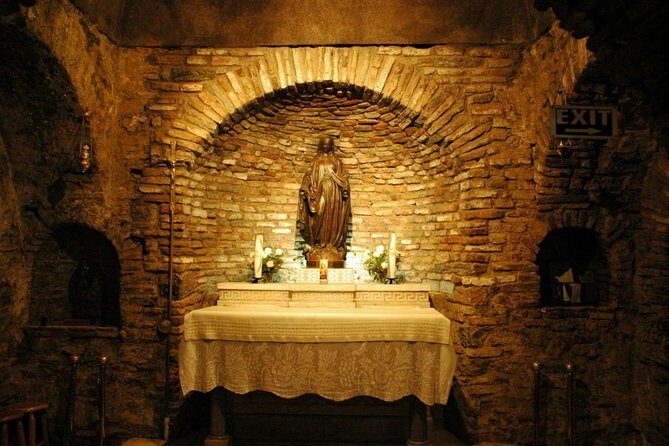
After that, you go to Meryemana (The Virgin Mary’s House), then to the Selçuk Ephesus Museum to see artifacts from Ephesus.
This last part is smart. Seeing ruins in the sun is one thing. Then you get context through objects and pieces that help you understand what you just walked through. Even if the museum time feels short, it’s a good “anchor” to keep your brain from turning everything into one big blur of stones.
Practical tip: Ephesus is walk-heavy. You’ll get more out of the day if you plan for shade breaks and keep water handy.
Priene, Miletus, and Didyma: the Ionian finale that feels thoughtful
Your last day shifts away from the densest ruins and toward the classic Greek world.
You drive to Priene, an Ionian city first established in the 7th century B.C. as a port city, later silted by the Meander River. You then head to Miletus, known for philosophers like Thales, Anaximenes, and Hekaistos.
Your final stop is Didyma (Temple of Apollo), where prophecies were given and where the oracle was a major religious center. Depending on timing, lunch may happen after the visit.
Then you transfer to İzmir Adnan Menderes Airport and fly back to Istanbul. If you like “finish strong but not frantic,” this ending works well: you end with a sense of ideas and spirituality, not just another list of ruins.
Price and value: what $1,410 buys you here
At $1,410 per person for about seven days, you’re not just paying for sightseeing tickets. You’re buying a private system:
- All private tours with private guiding
- All private airport transfers
- A private A/C minivan during the tour days
- Lunch included (7 lunches)
You also get admissions included on the big named stops marked with included tickets throughout the plan. Some items are free stops (like parts of the Grand Bazaar area and the Spice Market), but the paid admissions are concentrated on the major landmarks: Blue Mosque, Topkapi, Hagia Sophia, Basilica Cistern, key Cappadocia sites, Kaymakli, Ephesus, Artemis, and the final ancient-city circuit.
Is it expensive? It can be, compared with piecing things together yourself. But if you want less hassle—especially with internal flights and long-distance day planning—this price can feel fair. The private transport and guide time are what you’re really paying for: your schedule doesn’t depend on shared vans or waiting on other groups.
If you travel as a couple or small group and value your time, this is the kind of tour that often looks like good value on paper.
Who should book this private 7-day route
This tour is a strong match if you want:
- A private guide who can explain what you’re seeing while you’re walking, not after you get home
- Comfortable logistics, especially with airport pickups and A/C vehicle rides
- A single trip that strings together Istanbul + Cappadocia + Ephesus without you coordinating each leg yourself
- A plan that includes both iconic monuments and practical “breather moments,” like the Bosphorus cruise
It may not be ideal if you hate travel days inside your vacation. There are flights within the route, and you’ll be active on most days. If you want slower pacing with more free time in each city, you might feel rushed.
If you’re calling or emailing the operator, a useful approach is to ask who your guide or planner will be. This provider has been associated with people named Ilker Olcaydu and Mustafa for planning and guiding, so it’s worth checking directly who will be on your trip.
Should you book this 7-day Istanbul, Cappadocia and Ephesus tour?
I’d book it if you want a clean, private route across three major regions, with lunch included, guiding built into the schedule, and transport handled for you. The itinerary is heavy on major sites, but it’s not only “look and move on.” You get real context at Topkapi, Hagia Sophia/Basilica Cistern, the underground city, and Ephesus’s religious highlights.
Skip it only if you’re chasing long unstructured time in each place, or if you’re uncomfortable with the pace of a route that includes internal flights. For most people who want maximum Turkey with minimum planning stress, this plan is easy to recommend.
FAQ
How long is the tour?
The tour runs for about 7 days.
What time does the tour start?
The listed start time is 9:30 am.
Will I be picked up at the Istanbul airport?
Yes. You’ll be met at Istanbul Airport by a driver holding a board with your name, and then transferred to your hotel.
Are airport transfers included?
Yes. Private airport transfers are included.
Is lunch included?
Yes. Lunch is included (7 lunches).
Are admission tickets included?
Admissions are included for many of the main sights, and some stops are marked as free. It depends on the specific site on that day.
Is this a private tour?
Yes. It’s private—only your group participates.
How does the tour move between regions?
The plan includes internal travel between Istanbul and Cappadocia, and later a flight from Kayseri (ASR) to İzmir, then a flight from İzmir Airport to Istanbul.
Can I change or get a refund if I cancel?
This experience is non-refundable and cannot be changed for any reason. If it’s canceled because a minimum number of travelers isn’t met, you’ll be offered a different date/experience or a full refund.
Would you like me to tailor the “who should book” section for your travel style (couple, family, interests like museums vs photos, and your fitness level)?