REVIEW · GOREME
Cappadocia, Konya, Pamukkale and Ephesus Tour
Book on Viator →Operated by Stoneland Travel · Bookable on Viator
Turkey in a week, without the headaches. This fast route through Cappadocia, Konya, Pamukkale, and Ephesus keeps the story moving from fairy chimneys to Rumi to Roman ruins. I like that it’s set up so you can focus on the sights instead of juggling cars, tickets, and hotels.
What I especially like is the mix of guided, meaningful stops plus real time to see, walk, and photograph. I love that the plan includes both iconic viewpoints (like Goreme panoramas) and hands-on local culture (like Avanos rug weaving and an onyx shaping show). You also get hotel pickup/drop-off and a professional guide, which makes the long drives feel organized.
The main trade-off is intensity. You’ll be on the move most days, there’s some walking (including a short hike in Ihlara Valley), and a few popular add-ons cost extra like hot air balloon flights and Cleopatra’s thermal pool.
In This Review
- Key highlights at a glance
- What This 7-Day Turkey Route Gets You
- Price and Logistics: What You Really Pay For
- Day 1 in Cappadocia: Airport Pickup to Your Hotel
- Day 2 in Cappadocia: Uchisar, Zelve, Pasabag, Avanos, and Ürgüp
- Day 3: Derinkuyu Underground City and the Ihlara Valley Walk
- Konya Day: Mevlana Museum and Alaaddin Hill for the Heart of Rumi
- Pamukkale and Hierapolis: Red Springs to White Travertines
- Pergamon Day: The Acropolis and Asclepion Health Center
- Ephesus Finale: Meryemana, Ephesus Museum, and the Roman City Walk
- Add-Ons and “What to Do With Free Time” Moments
- Who This Tour Fits Best—and the One Thing to Watch
- Should You Book This Cappadocia, Konya, Pamukkale and Ephesus Tour?
- FAQ
- What’s included in the tour price?
- Does the tour include pickup from the airport?
- How many days is the trip?
- Are lunches included?
- Is a hot air balloon ride included?
- Is Cleopatra’s thermal pool included?
- What places do you visit in Ephesus?
- What’s the cancellation window for a full refund?
Key highlights at a glance
- Airport-to-hotel start in Cappadocia so you begin smoothly, not stressed
- Zelve Open Air Museum + Pasabag for the best fairy-chimney scenery, with context
- Derinkuyu Underground City + Ihlara Valley hike for a real change of pace
- Mevlana Museum in Konya for the spiritual center of Rumi’s world
- Pamukkale’s Hierapolis ruins + travertines plus optional Cleopatra pool time
- Ephesus and Virgin Mary’s House on the final day with a clear route
What This 7-Day Turkey Route Gets You
This tour is built for travelers who want the big names without spending your whole trip coordinating them. In one week, you cover Cappadocia’s rock formations, Konya’s religious and historic sites, Pamukkale’s thermal terraces, and Ephesus’ Roman splendor.
The value here is not just the list of destinations. It’s that the days are structured around “you leave, you see, you move on” logistics, with private vehicle transport and hotel transfers handled for you. That means less time at ticket counters and more time actually looking.
Still, it’s not a lazy pace. Expect long sightseeing days, especially when you’re driving between regions (Cappadocia to Konya, Konya to Pamukkale, and then to the Ephesus area).
You can also read our reviews of more tours and experiences in Goreme.

Price and Logistics: What You Really Pay For
The price is $2,315.20 per person, and that sounds like a big number until you break down what’s included. Your trip includes 6 nights accommodation, private transport, a professional guide, and hotel pickup and drop-off throughout.
You also get breakfast (6) and even afternoon tea. Entrance fees are handled for many key sites (and for some, the admission is listed as included), which reduces the “surprise costs” problem that can hit self-planned trips.
What’s not included matters for budgeting: lunch and dinner, drinks, and some add-ons like the hot air balloon and Cleopatra’s thermal pool admission fee. If you hate paying extras on the fly, plan for those two categories.
Day 1 in Cappadocia: Airport Pickup to Your Hotel
Your start is simple: you meet at Cappadocia (Nevşehir or Kayseri) airport and get transferred to your hotel. This is a practical benefit because Cappadocia trips often fail on the first day—late arrivals, confusing shuttle schedules, and wasted time.
Since breakfast is included starting on day 1 (you’re on the overall package plan), you can settle in without immediately worrying about meals. Your first day also gives you a soft landing before the sightseeing-heavy days.
If you’re arriving from a long flight, I’d treat Day 1 like a reset: early dinner, early sleep, and set up comfy shoes for what’s coming next.
Day 2 in Cappadocia: Uchisar, Zelve, Pasabag, Avanos, and Ürgüp
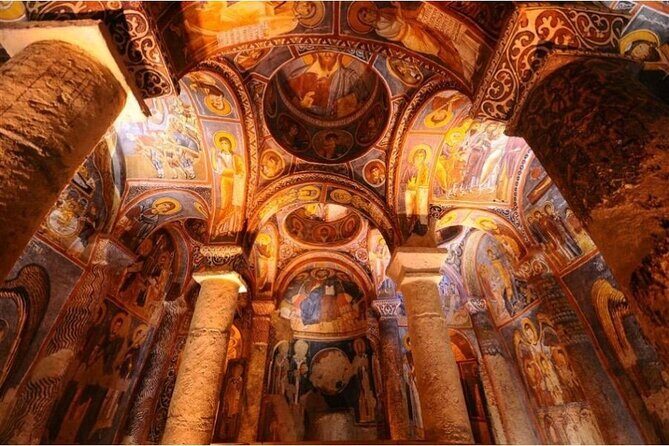
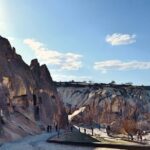
Day 2 is where Cappadocia really earns its reputation. You begin at Uchisar Castle, perched on the region’s highest point, with carved tunnels and churches inside its rock structure. It’s a short visit, but the setting gives you a big-picture view of the fairy-chimney valleys.
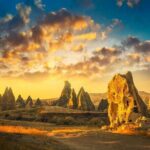
Next up is Zelve Open Air Museum, one of the best places to understand Cappadocia’s “rock city” past. You’ll see the sharp, pointed fairy chimneys that make the area so recognizable, but here you also get the feeling of how people actually lived among them.
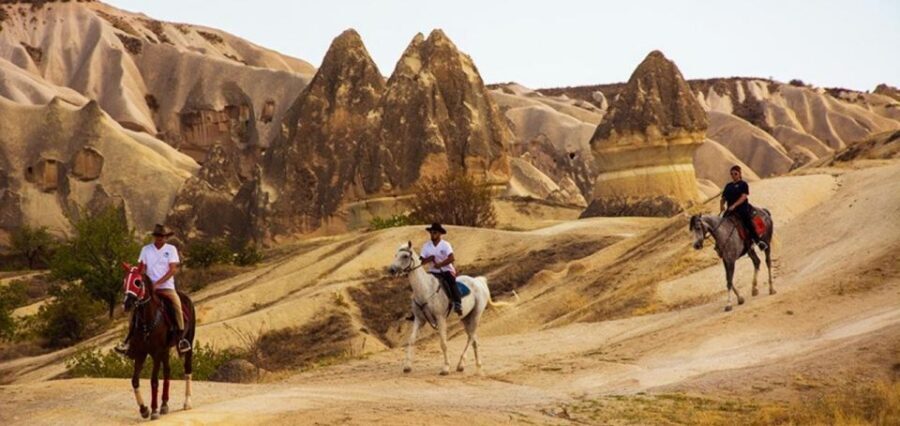
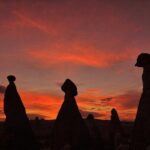
Then comes Pasabag (Paşabağı), famous for its three-headed fairy chimneys. The way the rock formations stack and shape themselves makes this a natural stop for photos—and it’s also a good place to get the geography right for the rest of your trip.
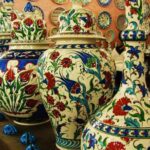
After that, you switch from pure scenery to craft and materials. At Bezirhane Culture, Arts and Ceramics Center, you get a look at how ancient peoples used local clays (including red clays from the Kızılırmak area and white clays from volcanic hills) for everyday making. It’s not just a demo shop feel—it ties the region’s geology to real human use.
In Avanos, you’ll also visit a rug workshop/store where patterns are treated like a coded language of beliefs and symbols. If you’ve ever wondered why carpets from the area feel so specific, this helps you connect design to culture instead of just looking at colors.
You end the day in Ürgüp, where the iconic capped fairy chimneys appear in the form many people associate with the region. The day stays focused, but you’ll still want a little patience—Cappadocia’s roads and stop timings can stack up.
Day 3: Derinkuyu Underground City and the Ihlara Valley Walk
Day 3 is a great pivot because it moves you from above-ground “fairy chimneys everywhere” to underground survival and then to a canyon walk. You start with a Göreme panoramic view, which is a helpful orientation point before you start descending into history.
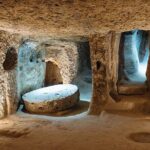
Then you visit Derinkuyu Underground City. This place was first used as a natural deep freeze and later as shelter for people facing threats, including Roman-era fears about invasions. Your time here includes clear guidance, and you’ll spend around an hour exploring what’s carved into the earth.
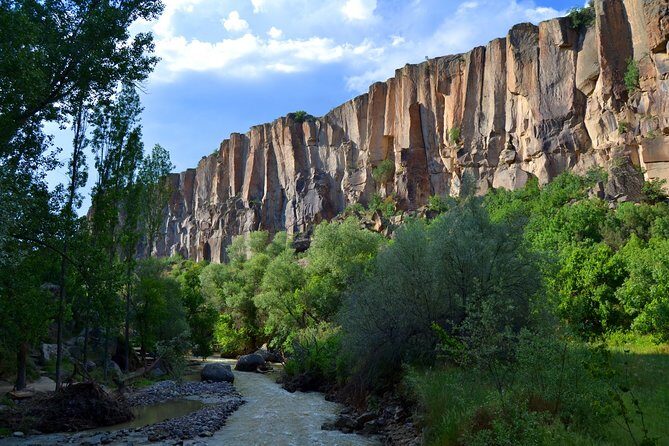
After that, you head to Ihlara Valley, formed by volcanic actions and later shaped by the Melendiz River over millions of years. You’ll hike about 3.5 km (around 1 hour 15 minutes) along the canyon—long enough to feel active, but not a marathon.
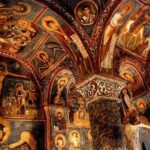
Ihlara also links geology with living history. The valley walls include church carvings and painted areas from when Christians lived in different parts of the canyon. You’ll stop for lunch at a restaurant after the walk, which is a relief because your legs will be ready for a break.
The day doesn’t end with the canyon. You continue with Selime Monastery, which looks castle-like but reveals itself as a full monastic complex—churches, chapels, storages, and a larger cathedral area. A nearby viewpoint stop leads you to Pigeon Valley, where you’ll see the story behind the carved “pigeon houses” used for eggs and droppings.
To close the Cappadocia side, you visit an onyx factory/show in the Uchisar area. It’s a nice final contrast: from caverns and valleys to a finished product made from a volcanic stone with varied mineral colors.
Then you drive to Konya, which is a big transition day. If you’re sensitive to long rides, it’s worth building in a calm dinner and an early night.


Konya Day: Mevlana Museum and Alaaddin Hill for the Heart of Rumi
Konya is a different vibe than Cappadocia, and Day 4 reflects that on purpose. You start at Mevlana Museum, visiting the tomb of Rumi, one of the key pilgrimage points tied to his spiritual legacy. The stop is paired with additional sights including an Ottoman-era Sultan Selim mosque.
You also get lunch here at a traditional Turkish restaurant, which helps keep the rhythm of the day. Between the guided visits and the meal, it’s one of the easier days to follow without feeling like you’re constantly moving.
After lunch, you head to Kultur Park Alaeddin Tepesi and Alaaddin Hill. The Alaeddin Mosque sits on top of the hill, with minimal remains of palace structures nearby from the Seljuk Sultans of Rum. Even with limited remains, the setting makes the layered history feel logical—you can see why rulers wanted elevation.
If Cappadocia taught you Turkey’s “rock and survival” side, Konya shows the “meaning and place” side. This day is less about ticking boxes and more about understanding why people return to this city again and again.
Pamukkale and Hierapolis: Red Springs to White Travertines
Day 5 is the classic Pamukkale arc: start with color, then move into ruins, then end with the famous terraces. You begin at Karahayit’s red springs, a nearby stop that sets the tone for the changing mineral colors you’ll see later.
Then you enter Hierapolis from the North Gate. You’ll visit several major ruins areas including the Necropolis, Bath and Basilica, Frontinius Gate and Street, Latrina, Northern Byzantine Gate, the Fountain of the Tritons, and the Temple of Apollon. The best part is that these aren’t random stops—they’re grouped along a route that helps you imagine how the city functioned.
A highlight comes next: free time to swim at Cleopatra’s Antique Thermal Pool, but admission is an extra fee. If you want the full experience, this is the moment to decide. If you don’t, you still have enough other sights to keep the day satisfying.
You’ll also see the large and well-preserved theatre, which is a strong reminder of how public spaces powered ancient cities. After the ruins time, you head to Pamukkale Thermal Pools (Travertines) for photos and time to wade in the white calcium terraces.
Then there’s a late lunch and a hotel drop-off, followed by the drive to Kuşadası. This part can feel like two days in one: ruins and terraces by day, then travel repositioning for Ephesus. Build in water breaks and don’t plan anything strenuous that night.
Pergamon Day: The Acropolis and Asclepion Health Center
Day 6 focuses on Pergamon, with a pick-up around 09:30 and a long 6-hour block of sightseeing. You’ll see the Pergamon Acropolis and the Asclepion, an ancient hospital and health center area.
The Asclepion is a fascinating angle on the ancient world because it treats healing as a full civic system, not just a private matter. You’ll also visit the propylaeum of the Temple of Athena and the propounded ancient city areas tied to how the site worked.
Admission is included for this day, which is helpful because Pergamon is the kind of place where entrance fees can add up if you’re piecing it together yourself. After a day like this, you’ll likely appreciate the return to your hotel, because you’re saving energy for the final Ephesus day.
Ephesus Finale: Meryemana, Ephesus Museum, and the Roman City Walk
Day 7 is built like a landing into Ephesus, with Kuşadası as your base. You start with Meryemana (The Virgin Mary’s House). The drive includes scenic views of the Byzantine fortress in Selçuk and the Temple of Artemis, then a long winding road to the shrine.
The stop is short enough to stay meaningful, but it adds emotional weight before you walk into the scale of Ephesus. It’s also a nice way to see how this region connects different eras, one road at a time.
Next comes Ephesus Museum, where your guide sets you up for what you’ll see outdoors. Then you walk into ancient Ephesus itself, passing through the Magnesia Gate and heading downhill through the Roman provincial capital.
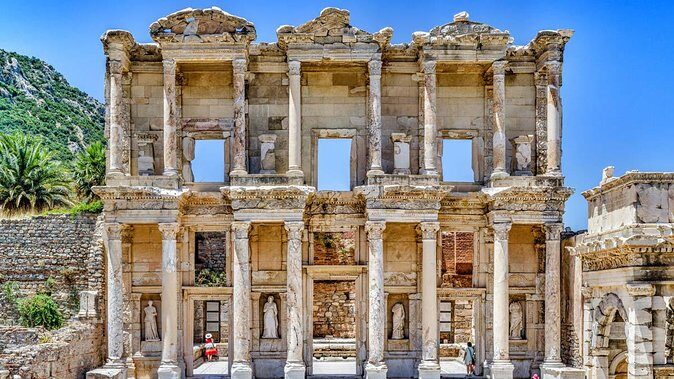
You’ll highlight major sites like the Temple of Hadrian, Trajan Fountain, Odeon Theater, and the impressive Celsus Library with its two-story Corinthian-style columns. If you’re a first-timer, this order helps you avoid feeling lost in a huge ruin field.
You also see the Great Theater, once used for gladiator games and now tied to festivals. After that, you end in Selçuk and are driven onward to İzmir airport or the Kuşadası bus station.
This final day works because it doesn’t just throw ruins at you. It sequences them so you can understand what you’re looking at while you’re still fresh.
Add-Ons and “What to Do With Free Time” Moments
A few options can change your experience depending on what you care about.
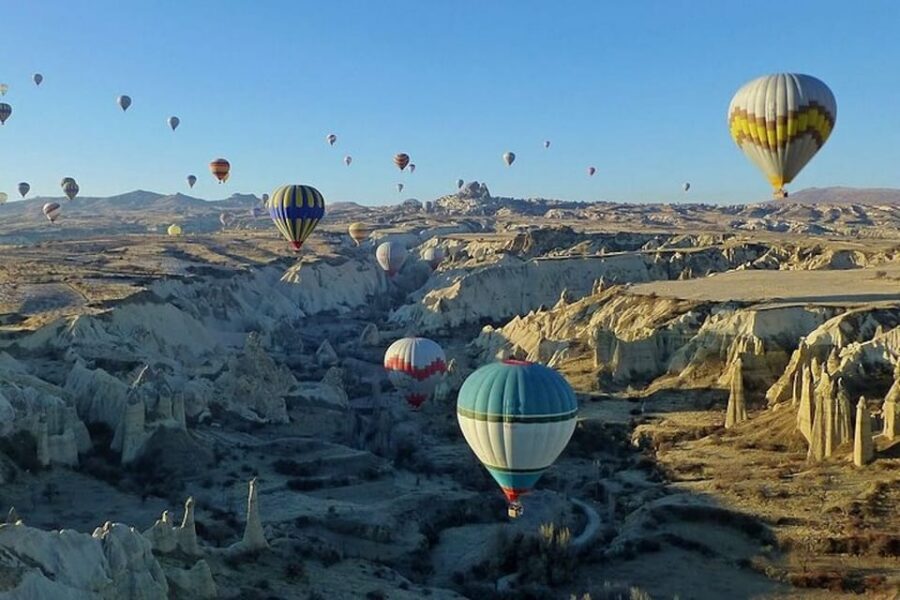
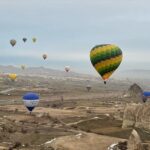
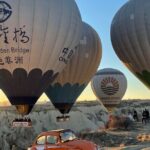
If hot air ballooning is on your Turkey checklist, this tour allows upgrading to include it, but it’s not built into the base package. If you go for it, do it as early as possible in your Cappadocia stay because weather can affect balloon flights.
If you’re set on Cleopatra’s thermal pool, plan on paying the admission fee extra. The tour gives you free time to swim, so you’ll want to bring what you need and not assume everything is available on-site.
There are also “buying” stops that feel more educational than salesy if you treat them that way. The onyx shaping show and the rug workshop are there for context—so if you like craft, you’ll probably enjoy them. If you don’t, you can keep your attention on the process instead of the shopping side.
Who This Tour Fits Best—and the One Thing to Watch
This is a strong fit if you want big Turkey highlights in a short window and you’d rather not handle logistics yourself. It’s also a smart choice for families because the operator’s team has shown a habit of making reasonable adjustments for children, which can make a huge difference with long days.
You’ll enjoy it most if you’re okay with guided walking, occasional uphill moments, and a hike in Ihlara Valley. The walking isn’t extreme, but it’s still real, and comfort matters.
The one thing to watch is the “pay-on-top” parts. Lunch and dinner are not included, and the big headline add-ons (balloon and Cleopatra pool admission) cost extra. If you know that upfront, you’ll have fewer budget surprises.
Should You Book This Cappadocia, Konya, Pamukkale and Ephesus Tour?
Book it if you want efficient routing across Cappadocia, Konya, Pamukkale, and Ephesus with hotels and transfers handled, and you like the idea of spending your energy on the sights. The structure—orientation viewpoints, guided ruins, and culture stops—helps you get a lot out of each day without getting buried in planning.
Skip or swap if you want lots of free time to wander independently, or if you dislike paying extra for key optional experiences like swimming in Cleopatra’s pool. If you’re flexible, bring good shoes, and plan your budget for meals and add-ons, this tour is a very workable way to see Turkey’s greatest hits.
FAQ
What’s included in the tour price?
The tour includes 6 nights accommodation, professional guide, hotel pickup and drop-off, transport by private vehicle, breakfast (6), afternoon tea, and national park fees. Many attraction admissions are included, but not all.
Does the tour include pickup from the airport?
Yes. On the Cappadocia side, you meet at Cappadocia (Nevşehir or Kayseri) airport and are picked up and driven to your hotel.
How many days is the trip?
It’s 7 days (approx.), covering Cappadocia, Konya, Pamukkale, and Ephesus.
Are lunches included?
No. Lunch and dinner are not included, and drinks are also not included.
Is a hot air balloon ride included?
No. The hot air balloon flight is an optional upgrade.
Is Cleopatra’s thermal pool included?
You get free time for Cleopatra’s Antique Thermal Pool, but the admission fee is extra (not included in the base).
What places do you visit in Ephesus?
You’ll visit Meryemana (Virgin Mary’s House), Ephesus Museum, and then Ancient City of Ephesus, including sights such as Magnesia Gate, Celsus Library, and the Great Theater.
What’s the cancellation window for a full refund?
You can cancel up to 6 days in advance of the experience for a full refund (with the stated refund rules based on local start time).
If you want, tell me your travel month and whether you’re interested in the hot air balloon or Cleopatra pool, and I’ll help you pick the best way to use the extra time and budget.