REVIEW · CAPPADOCIA
Goreme: Cappadocia Jeep Safari
Book on GetYourGuide →Operated by Stoneland Travel Cappadocia Turkey · Bookable on GetYourGuide
Jeep rides make Cappadocia feel close-up. This Goreme: Cappadocia Jeep Safari is a fast tour of multiple valleys, with a guide to connect what you see—like white-painted cave fronts and castle panoramas—to why the region looks the way it does. I especially love Pigeon Valley’s odd bird-attracting cave details, and I like the Ortahisar viewpoint that looks out over fairy chimneys and Mount Erciyes. One drawback: with only 2 hours, you’ll get more “photo stops and short looks” than long hiking time.
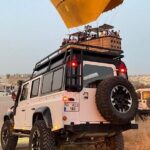
I also like how the experience is set up for convenience: you get hotel pickup and drop-off plus a driver/guide, so you spend less energy figuring out routes and more energy watching the rocks. At $165 per person, it’s not a budget half-day, but the price starts to make sense when you want an efficient tour that hits several signature spots. Just remember that food and drinks are not included, so plan for energy and hydration outside the jeep.
In This Review
- Key highlights you’ll feel on this safari
- Goreme Jeep Safari at a glance: what 2 hours buys you
- Pigeon Valley (Guvercinlik Vadisi): why the caves are white
- Ortahisar valley: the castle-like rock and a built-in viewpoint
- Stirrup Valley and Stirrup Stream: the three springs stop
- Mustafa Pasa Village: Sinasos and the geology behind the pigeon houses
- Love Valley reputation: the red tones and a sunset-friendly walk option
- Price and value: is $165 per person worth it?
- What to bring and how to prepare for a smoother ride
- Who this jeep safari suits best
- The small guide-choosing detail: Stoneland’s style
- Should you book the Goreme Jeep Safari?
- FAQ
- How long is the Cappadocia Jeep Safari?
- What stops are included in the tour?
- Is hotel pickup and drop-off included?
- Is food and drinks included?
- What should I bring with me?
- Does the tour include any ticket-line saving?
- How much does the tour cost?
- Is there free cancellation?
Key highlights you’ll feel on this safari
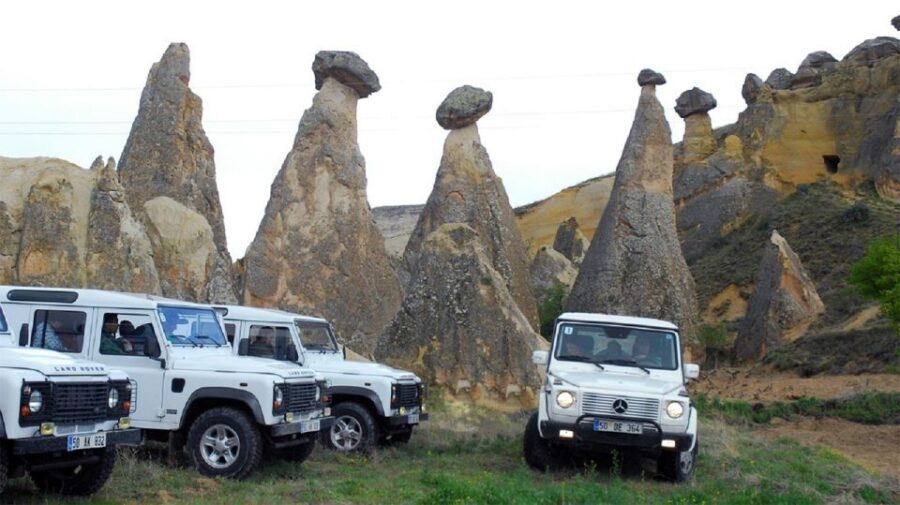
- Pigeon Valley’s Guvercinlik Vadisi: white-painted cave dwellings tied to bird droppings
- Ortahisar Castle panorama: restored viewpoint with views toward Hallacdere and Mount Erciyes
- Stirrup Valley + Stirrup Stream: three mineral-water springs and local traditions
- Mustafa Pasa Village (Sinasos): a former Greek town story tied to tuff rock formations
- Love Valley reputation: color-rich rock formations and an option for about a 5 km walk
Goreme Jeep Safari at a glance: what 2 hours buys you
This safari is built for speed and variety. In about two hours, you’ll cover several valley areas around Göreme’s wider Cappadocia zone—enough time to get the big visuals, learn the key background, and still leave with a clearer sense of how the region is shaped.
You’ll be in a jeep with a driver/guide and hotel pickup and drop-off, which matters more than it sounds. When you’re short on time, the value is often in not wasting it on logistics. Also, the tour includes a skip the ticket line benefit, which can help if a stop has any entry timing issues.
For price: $165 per person is premium for a 2-hour outing. The value depends on your style. If you want a quick hit of multiple valleys with interpretation, it’s a reasonable way to “sample” Cappadocia without committing to a full-day tour. If you’re hoping for long trails and lingering at one place, you’ll likely want a longer hike-focused option instead.
You can also read our reviews of more tours and experiences in Cappadocia
Pigeon Valley (Guvercinlik Vadisi): why the caves are white
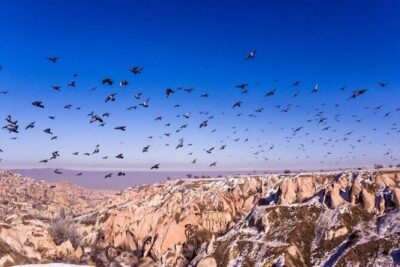
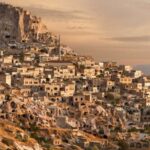
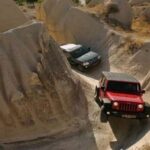
Pigeon Valley, or Guvercinlik Vadisi, is where the story gets delightfully specific. Certain cave dwellings here were painted white to attract birds because their droppings were valuable. That detail alone makes the valley feel more human. You’re not just looking at rocks—you’re seeing a working system that shaped how people used the landscape.
There’s more geology and history layered in, too. The fairy chimneys to the west, east, and north of Uçhisar were hollowed out and used as graves during the Roman period. So even if Pigeon Valley doesn’t shout out fairy-chimney drama the way some other zones do, it connects the dots between survival, craft, and changing eras.
Another interesting piece: Babayan is its older name, and it’s now called Ibrahimpasa. The valley also has beautiful stone houses, so you’re not stuck with a single view angle. Expect interesting details you can spot from your jeep or during short pauses—especially the contrast between painted cave fronts and Cappadocia’s pale rock tones.
Ortahisar valley: the castle-like rock and a built-in viewpoint
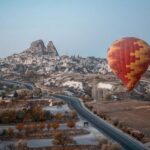
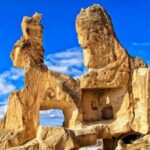
Next up is Ortahisar, a town known for friendly locals, stone houses, narrow streets, and lovely churches. The headline feature is the castle-like rock formation after which the town is named. This isn’t just a dramatic backdrop; it’s a functional viewpoint.
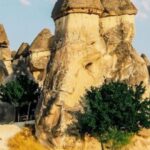
Today, Ortahisar Castle has been restored, and the peak is accessible by a staircase. That access changes how you experience the place. Instead of viewing the rock from street level, you can climb to a vantage that gives you a panorama—looking over the fairy chimneys of Hallacdere and, on clear days, the snowy peak of Mount Erciyes.
The safari’s “valley” portion here is also about context. Ortahisar helps you understand how different parts of Cappadocia relate—how the rock formations stack up, how valleys open and funnel views, and why people built towns where they could defend, farm, and still enjoy long sightlines.
Stirrup Valley and Stirrup Stream: the three springs stop
Between Ortahisar and Uçhisar, you’ll learn about Stirrup Valley, described as full of both natural and historical beauty. Even if you only get a limited time here, the idea is useful: valleys in Cappadocia aren’t just scenery. They’re routes, water stories, and erosion archives.
Parallel to the valley is Stirrup Stream, where there are three springs—and natural mineral water emerges from them. Local belief says the water helps recovery from digestion disorders and kidney diseases.
A fair way to think about this: treat it as part of the region’s culture and local reputation, not medical advice. But as a travel detail, it adds meaning. You’re watching a landscape that people have long associated with health and relief.
Also, mineral springs can affect what you notice on-site. Keep an eye out for where people gather, how water is managed, and what the area feels like compared with the drier, more exposed slopes nearby. Even on a short jeep safari, that contrast is one of the easiest ways to understand why Cappadocia feels lived-in.
Mustafa Pasa Village: Sinasos and the geology behind the pigeon houses
One of the tour’s most interesting learning moments is the Mustafa Pasa Village history. This area was once a Greek town, inhabited by Rums (Greeks) until 1924. You’ll also hear it connected to the name Sinasos, used by Ottoman Greek residents—an older name that many locals still use today.
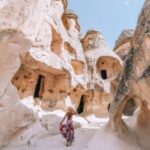
Now tie that human story to the physical one. Millions of years ago, tuff—soft stone made from lava, ash, and mud—was thrown out by volcanoes. Erosion then shaped it into the rock formations that look unreal in your photos. At every turn, those formations can make you pause and just stare. The scale matters here because tuff is workable enough to build into, and strong enough to hold form for a very long time.
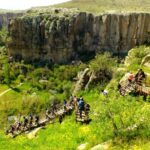
The valley detail that really sticks: there’s a high cliff of white tuff with thousands of pigeon houses. That connects the dots back to Pigeon Valley and gives you a broader idea of how pigeons and tuff rock were linked across different areas. It’s not random scenery. It’s an economy written into stone.
In practical terms, this is a stop where you’ll benefit from slow looking. Short pauses work if you know what to look for: rock texture, carved structures, and how the settlement hugs the land.
Love Valley reputation: the red tones and a sunset-friendly walk option
The tour ends with the Love Valley reputation, and it’s described through what you’d expect from this part of Cappadocia: color and shape. In this case, the rock colors are tied to the Red Valley idea—named by the tones of the rock itself.
There’s also a practical detail: you can hike about 5 kilometers (about 3 miles) along the valley. If you’re someone who likes to stretch your legs and get that “slow travel” feel, that option matters. Even if you don’t do all five kilometers, knowing there’s a real walking route changes how you plan your time.
Timing is also the reason the valley gets such a reputation. It’s known as a great place to watch the sunset. On a jeep safari, you might not have a full sunset window, but the key is this: if the light is good when you arrive, the valley’s color-based look can be dramatic.
So, think of this stop as your payoff. Earlier stops give you the history and the architecture. The valley stop gives you the emotion—rocks in warm tones, shadows shifting, and that Cappadocia feeling that makes you understand why people come back again and again.
Price and value: is $165 per person worth it?
Let’s talk value in a grounded way. $165 for 2 hours is the kind of price you pay for convenience plus concentrated sightseeing.
Here’s what you’re paying for, based on what’s included:
- A driver/guide who explains what you’re seeing
- Hotel pickup and drop-off, which saves time and hassle
- Coverage of multiple key areas (Pigeon Valley, Ortahisar, Mustafa Pasa Village, and the Love/Red Valley area)
- A skip the ticket line advantage
What you’re not paying for:
- Food and drinks
So the real question is how you want to spend your time. If you’re staying in Göreme and you’d otherwise spend your morning juggling transport, entry timing, and figuring out routes, then $165 can feel fair. If you’re already set up for independent exploring and you want long hours on foot, it may feel pricey for the limited duration.
My practical take: choose this if you want a “guided greatest-hits overview” with enough context to make the valleys click. Choose something longer if you want the full walking experience at one spot.
What to bring and how to prepare for a smoother ride
This tour asks you to bring a passport. That’s the kind of requirement that can be easy to forget if you travel with digital copies only—so pack the real one.
Wear shoes that can handle short walks and uneven rock-level paths. Even when the main mode is jeep transport, these valleys often include brief steps, viewing stops, and paths that aren’t designed for flip-flops.
Also, because food and drinks aren’t included, plan accordingly. If you’re heading out from a hotel, grab water and a snack before pickup. You’ll enjoy the views more when you’re not negotiating hunger mid-route.
If you care about photos, arrive with realistic expectations. With 2 hours, the tour is set up for multiple looks, not one extended photo session. That’s why it helps to travel with a camera-ready mindset: quick framing, a few angles, and then moving on.
Who this jeep safari suits best
This is a good fit if you:
- Want a fast, guided tour that hits multiple Cappadocia highlights
- Prefer short stops over long hikes
- Appreciate explanations about how valleys and rock formations became settlements
- Like photo-friendly viewpoints like Ortahisar Castle and the color-focused valley areas
It may not be ideal if you:
- Want a full hiking day or a long, uninterrupted trail experience
- Need meals provided as part of the tour (since food and drinks aren’t included)
- Are hoping for a deep dive at one single valley for hours
The small guide-choosing detail: Stoneland’s style
The provider for this safari is Stoneland Travel Cappadocia Turkey. Based on the kind of feedback this tour tends to attract, the overall vibe is practical: a friendly, accommodating driver/guide who helps you get good photos and cover the route efficiently.
One thing to note for your expectations: the service can be simple and focused. You’re there for the valleys and the key explanations that make them understandable, not for a long, drawn-out narrative experience.
Should you book the Goreme Jeep Safari?
If you have limited time in Cappadocia and you want an efficient way to see Pigeon Valley, Ortahisar, Mustafa Pasa Village, and the Love/Red Valley area, I’d book this. The hotel pickup, guide, and multiple stop coverage are the core reasons it feels worth it, especially if your goal is to leave with a mental map of Cappadocia rather than only one highlight.
If your priority is long walks, or you want to linger until sunset no matter what time you arrive, you might feel constrained by the 2-hour format. In that case, look for a longer tour that builds in more hiking time.
Bottom line: for a short, guided, photo-friendly overview with strong scenery and real context, this jeep safari is a solid choice.
FAQ
How long is the Cappadocia Jeep Safari?
The duration is 2 hours.
What stops are included in the tour?
You’ll visit Pigeon Valley, admire the Ortahisar valley, learn about the history of Mustafa Pasa Village, and understand the reputation of Love Valley.
Is hotel pickup and drop-off included?
Yes. Hotel pickup and drop-off are included.
Is food and drinks included?
No. Food and drinks are not included.
What should I bring with me?
You should bring your passport.
Does the tour include any ticket-line saving?
Yes. It includes skipping the ticket line.
How much does the tour cost?
The price is $165 per person.
Is there free cancellation?
Yes, you can cancel up to 24 hours in advance for a full refund.