REVIEW · CAPPADOCIA
Visit to Cappadocia ceramic workshop and carpet store
Book on GetYourGuide →Operated by Highline Cappadocia Travel · Bookable on GetYourGuide
A kiln and a loom in the same stop. This Cappadocia workshop tour pairs ceramics and carpet weaving in about 2.5 hours, so you get both craft watching and a chance to make something yourself.
I especially like that you’re not just shopping on autopilot. You get to see how the work is done, then you can buy from places tied to local skills and long-running traditions.
One thing to consider: a small slice of people have reported that the hands-on pottery part didn’t happen as expected, so it’s smart to confirm you’ll actually get to make pottery before you go.
Key highlights at a glance
- Women’s co-operative carpet workshop, designed to support financial independence
- Pottery-making demo in a family-style workshop setting
- Hands-on pottery time included, with no extra charge mentioned
- Silk Road trade context that explains why these crafts show up everywhere
- Private group feel, with a car and driver handling pickup and drop-off
In This Review
- Cappadocia’s Silk Road setting: why crafts are everywhere
- Women’s co-operative carpet workshop: what you’re seeing and why it matters
- How to shop calmly without getting overwhelmed
- If you hate shopping, this stop may be frustrating
- Ceramic workshop and pottery trial: how pottery gets made (and how you get to try)
- What the hands-on part is likely like
- What you’ll see after the demo
- 2.5 hours, private group feel, and the car-and-driver setup
- Languages and communication
- A timing reality check
- Price and value: does $30 make sense for ceramics and carpet time?
- The best buyer mindset for this kind of tour
- How to avoid common shopping mistakes in carpet and ceramic stores
- For carpets
- For ceramics
- Who should book this tour, and who should skip it
- Should you book this Cappadocia ceramic workshop and carpet stop?
- FAQ
- How long is the Cappadocia ceramic workshop and carpet store visit?
- What is the price per person?
- Is pottery making included?
- Do I have to join a group?
- What does the tour include besides the workshops?
- Are there multiple languages available?
- Can I cancel for a full refund?
Cappadocia’s Silk Road setting: why crafts are everywhere
Cappadocia sits on the famous Silk Road route, and that trade history still shows up in daily life. For centuries, different peoples moved through this region for commerce, including the Hittites, Assyrians, Greeks, Arabs, Jews, and Turks. That mix helped create a culture where regional products became part of the local economy—and part of the visitor experience.
That’s why a carpet workshop or a pottery shop isn’t just a tourist stop. It’s a place where skills, materials, and styles have been passed along, learned through practice, and protected because there’s real demand for the finished work. On this tour, you’ll see two of the biggest categories: textiles and ceramics.
If you like your travel experiences to connect to real-world life, this kind of workshop visit works well. You’re not chasing a performance. You’re watching craft that likely supports someone’s livelihood today.
Women’s co-operative carpet workshop: what you’re seeing and why it matters
The carpet stop is built around a women’s co-operative. You’ll watch weaving, but the point isn’t only the pattern. The co-op model is there to give women financial independence, build self-confidence, and keep skills moving across generations.
Here’s the practical takeaway for you: when you buy from places like this, your purchase can help keep the workshop running and helps those makers keep control of their work. It’s still shopping, yes—but shopping with a clearer social purpose than buying from a random outlet.
During the visit, you’ll likely spend time looking at finished pieces and discussing what’s on offer. The tour also frames the shopping side as trustworthy and reputable. That matters, because carpets are one of those purchases where you can feel unsure fast: is it genuine, is it fairly priced, will it look right in your home?
You can also read our reviews of more tours and experiences in Cappadocia.



How to shop calmly without getting overwhelmed
Carpets can be emotional buys. The colors are gorgeous, and it’s easy to get swept up. Your best strategy is to slow down and treat it like a practical purchase, not a souvenir impulse.
I’d do three things:
- Set a budget before you start looking
- Decide where it will live (wall, floor, or as a textile accent)
- Focus on workmanship and consistency rather than only the pattern
You can also ask questions about what you’re seeing—especially if the seller mentions weaving technique or materials. The tour’s goal is to guide you toward reputable people, but your own eye is still your best safeguard.
If you hate shopping, this stop may be frustrating
If you want zero shopping energy in your itinerary, you might find this portion a bit long. The carpet workshop visit is also a showroom experience. You’ll look, you’ll talk, and you’ll be invited to buy.
That doesn’t mean it’s bad. It just means it’s not only a demonstration. Come in ready to browse thoughtfully.
Ceramic workshop and pottery trial: how pottery gets made (and how you get to try)
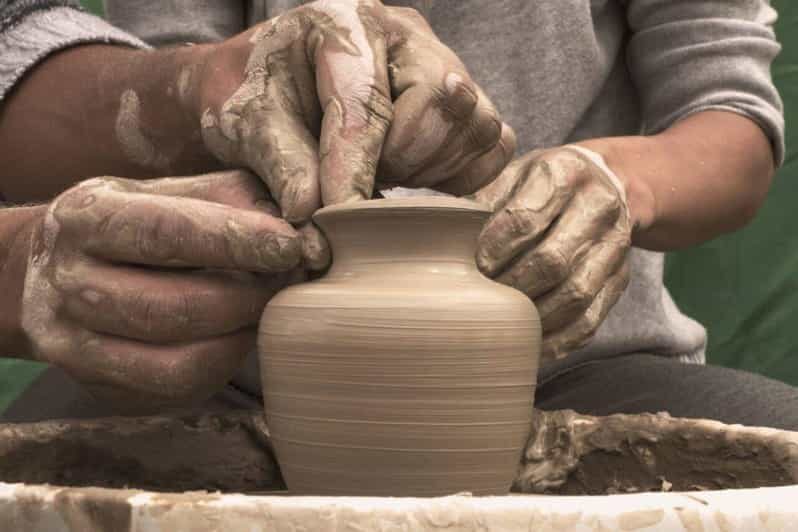
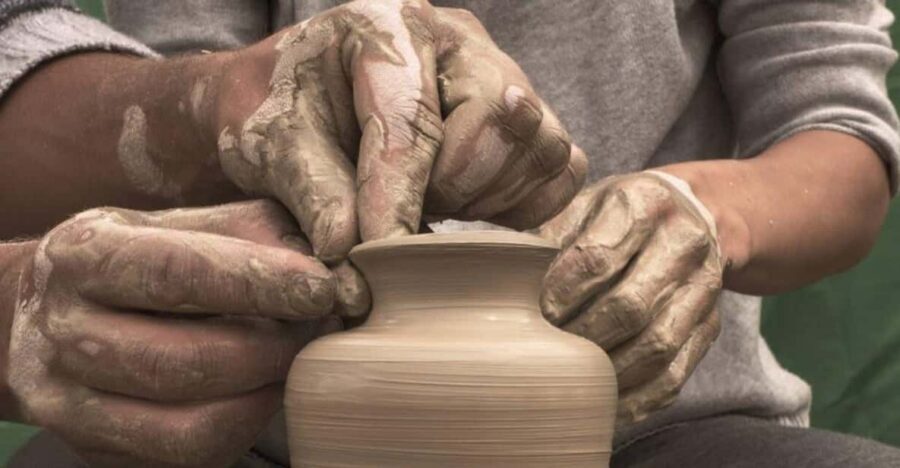
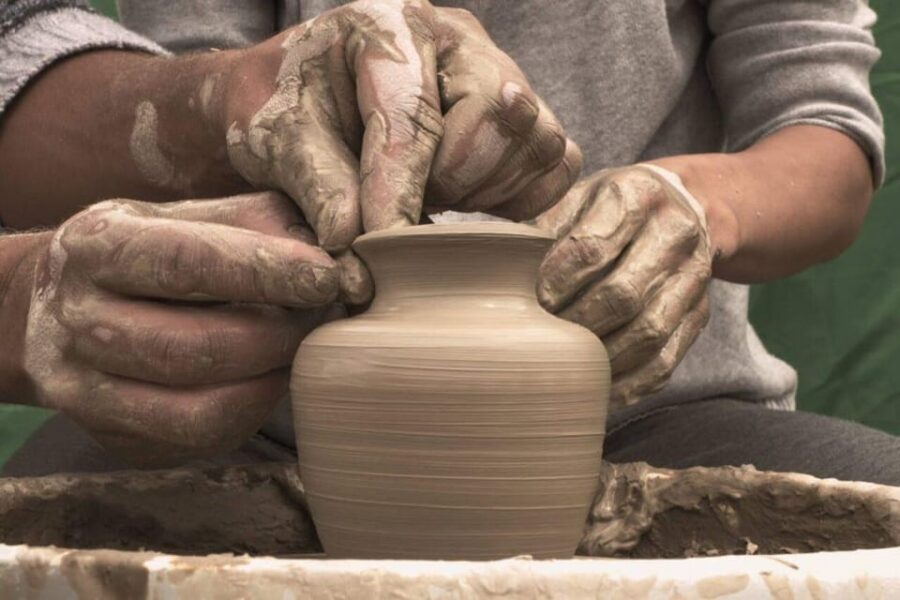
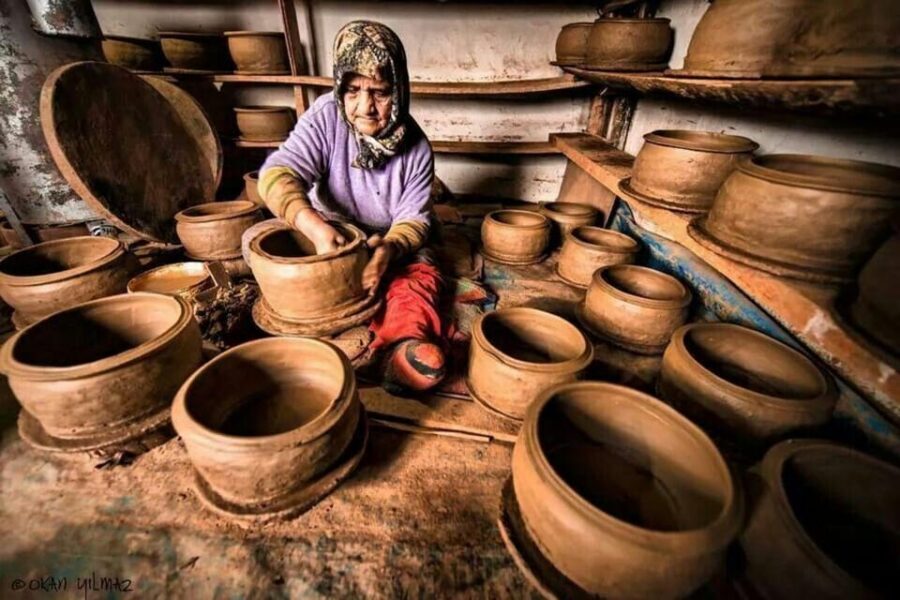
Next comes pottery at a ceramic workshop. Cappadocia pottery is tied to long-running family traditions, with workshops that have been doing this work for centuries. The tour notes pottery art reaching back to around 1750 B.C with the Hittites in Anatolia, and then continuing through generations of craftspeople.
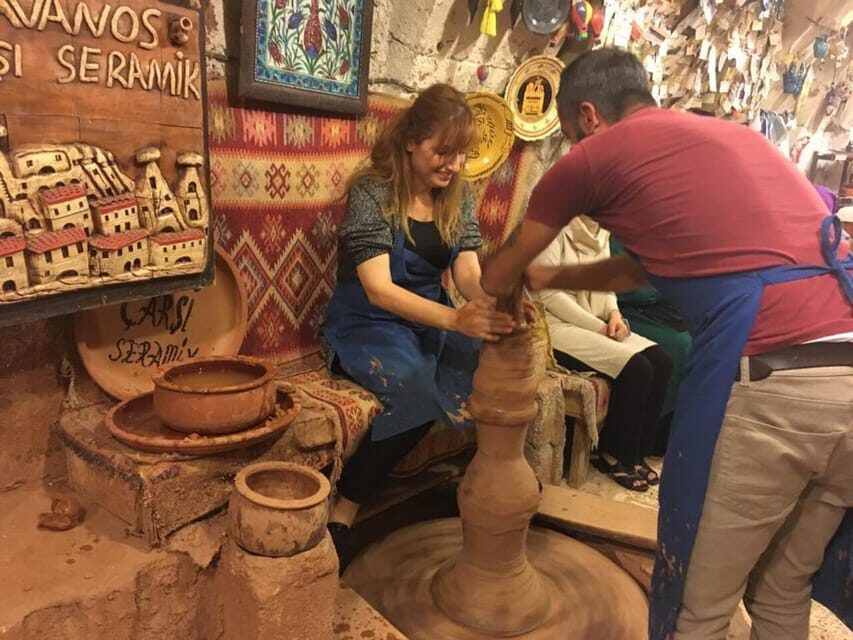
You’ll get a demonstration of how a piece is made. Even if you’ve watched pottery once before, the value here is the pacing and attention to materials. The tour describes using red clay taken from the Red River (about 1355 km long) and white clay from rocky areas in Cappadocia. That’s a concrete detail you can keep in mind while you watch.
Then, if you want, you can try making pottery yourself. The tour says this pottery try costs nothing. That’s a big deal for value: hands-on learning usually costs extra in other places, but here it’s part of the experience.
What the hands-on part is likely like
This is not presented as a professional pottery class where you’ll leave with a museum-ready sculpture. It’s more like a guided chance to touch the process—so you can understand the feel of the work and what the craftspeople do day after day.
You should also expect that time is limited. You’ll likely get instruction, make a basic form, and then move on. Think of it as an intro that gives you respect for the craft, not as a studio session where you control every step.
You can also read our reviews of more tours and experiences in Cappadocia

What you’ll see after the demo
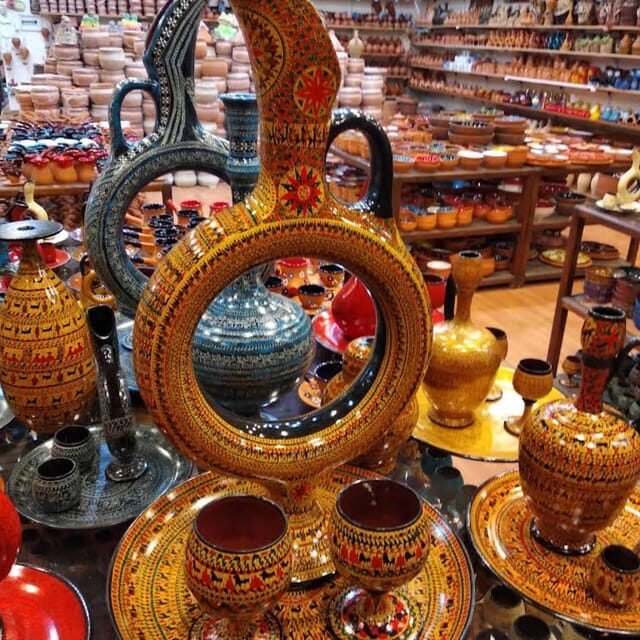
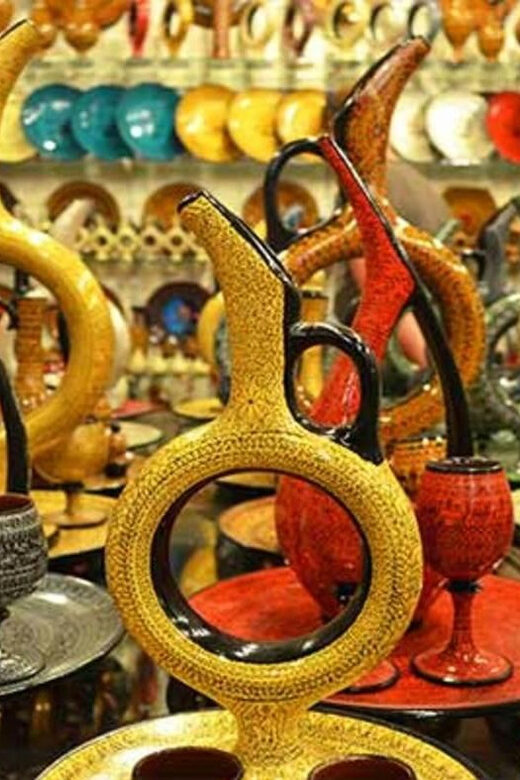
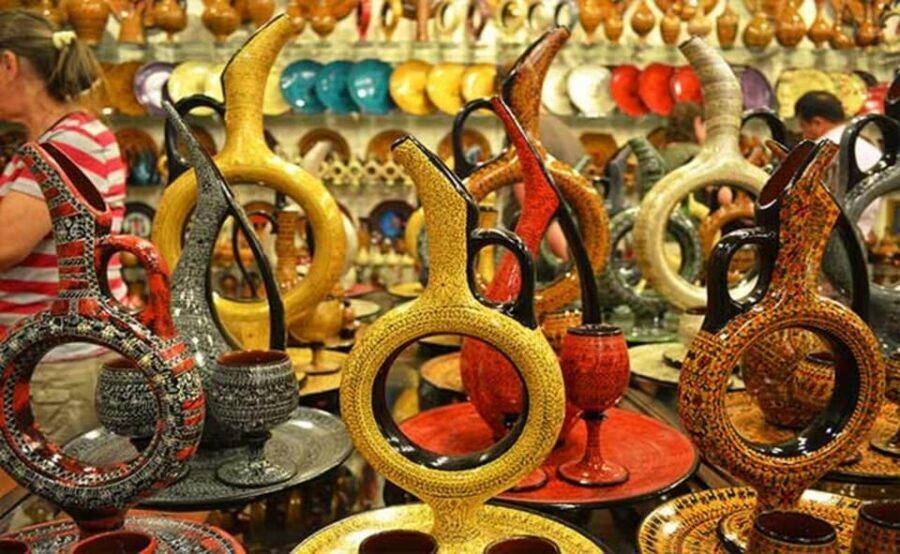
After the demonstration, you’ll be shown finished hand-made pieces made in the region’s style and colors. This is the moment where shopping becomes easier to understand. Once you’ve seen how clay changes shape, you can compare finished pieces with what you attempted.
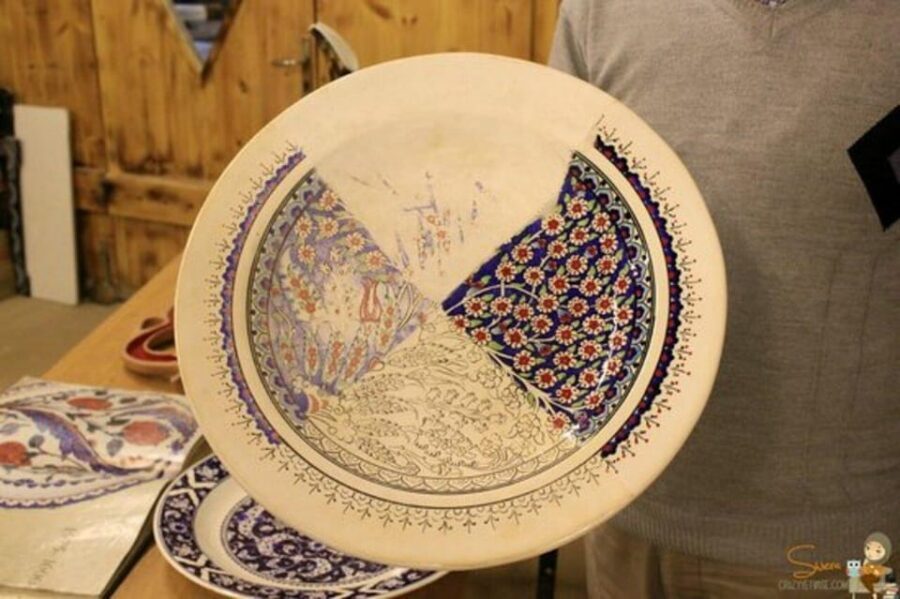
If you’re buying a ceramic as a gift or home decoration, this is also where you can spot quality differences. Watch for crisp edges, even color, and overall consistency. Again, you don’t need to be an expert. Your eyes will tell you a lot.
2.5 hours, private group feel, and the car-and-driver setup
This tour runs about 2.5 hours, which is a sweet spot for workshop visits. Long enough to watch, learn, and try something. Not so long that you’re fried by the end.
You also get pickup and drop-off by car and driver, so you’re not navigating on your own. In Cappadocia, that kind of logistics help matters. You spend your energy on the experience instead of figuring out roads.
This is described as a private group experience. That tends to make the pacing feel calmer. You can ask questions without feeling like you’re interrupting a larger group rhythm. It also fits couples or solo travelers who want a more personal feel.
Languages and communication
The host or greeter may speak Chinese, English, French, Italian, Japanese, Portuguese, Spanish, Turkish, Russian. That’s useful because workshops get better when you can actually follow what’s being explained—especially during the pottery demo and the weaving discussions.
A timing reality check
Even with the same structure, the actual balance between pottery making and shopping time can feel different depending on the day and the workshop flow. That’s where the one possible drawback becomes relevant: some people have reported missing the hands-on pottery part they expected.
So here’s my practical approach: before you go, confirm that pottery making is included for your time slot, not only a demonstration.
Price and value: does $30 make sense for ceramics and carpet time?
At $30 per person, this tour is priced like a short, focused craft experience rather than a full-day cultural outing. The key to whether it’s a good deal for you is what you value most: watching, learning, or hands-on making.
What you’re getting, according to the tour details:
- Pottery making is included
- You have car and driver plus pickup and drop-off
- You’ll visit a women’s co-operative carpet workshop and see ceramic pieces afterward
That combo is the value engine. The transportation and the hands-on element are usually the first things that cost extra on similar tours. If you truly get the chance to make pottery during your visit, then the $30 feels fair.
If you end up only watching pottery demonstrations without the hands-on part, then the value shifts. You’d still see the craftsmanship, but you’d lose the main “try it yourself” benefit.
The best buyer mindset for this kind of tour
Don’t treat the price as a guarantee of discounts on purchases. Workshop shopping is part of the experience, and finished items have their own pricing logic tied to materials and labor.
Instead, treat the tour fee as paying for:
- your access to the workshops
- the guided viewing and explanations
- the pottery-making try (when it happens)
Then shop like a smart buyer. Decide your budget, compare what you like, and buy only if it genuinely fits your home or gifting plans.
How to avoid common shopping mistakes in carpet and ceramic stores
Carpets and ceramics are both quality-sensitive purchases. That means you’ll feel the temptation to rush. Don’t.
For carpets
Carpets are often judged by how they lay, how consistent the pattern looks, and how the colors hold together. If you’re unsure, take your time with:
- overall symmetry
- knot or texture consistency (whatever level you can see)
- how the design matches your intended space
Since the tour’s framing emphasizes reputable contacts, you’ll likely have someone guiding you. Still, don’t rely on sales talk alone. Bring your own standards.
For ceramics
Ceramics are easier to assess in-store because you can look for finish quality immediately. I’d focus on:
- even glaze or painted areas
- clean edges and consistent shapes
- whether the piece matches the colors you saw in the workshop examples
If you made a small pottery item yourself, you’ll understand the materials and effort behind the finished work. That usually makes shopping feel less random.
Who should book this tour, and who should skip it
This is a strong fit if you:
- like craft and want real workshop time
- want both carpets and ceramics, not one or the other
- enjoy shopping but want guidance and context
- want a hands-on activity without signing up for a full class
It may be a weaker fit if you:
- hate shopping with any intensity
- are expecting a long pottery session where you keep working for hours
- are very strict about hands-on time and can’t tolerate the risk of it being reduced on the day
If your priority is photography only, you might be happier picking a different style of tour. This one is about making and buying, not just viewing.
Should you book this Cappadocia ceramic workshop and carpet stop?
I’d book it if you want a short, value-for-money craft experience where you can watch skill in action and potentially make pottery yourself. The private group format, plus pickup and drop-off, makes it easy to fit into a day without stress.
But before you commit, verify the hands-on pottery part for your specific time slot. If pottery making is a must-have for you, treat that confirmation as step one. If it’s more of a bonus, then you can enjoy the workshops even on a more demonstration-heavy day.
If you go in with a budget for one meaningful purchase and a calm pace for browsing, this tour can give you more than a souvenir. You’ll walk away with a clearer sense of how these crafts support real people in Cappadocia.
FAQ
How long is the Cappadocia ceramic workshop and carpet store visit?
The duration is about 2.5 hours.
What is the price per person?
The price is $30 per person.
Is pottery making included?
Yes. Pottery making is included, and the pottery making try is described as costing nothing.
Do I have to join a group?
This experience is listed as a private group.
What does the tour include besides the workshops?
It includes a car and driver, plus pickup and drop-off, and pottery making.
Are there multiple languages available?
Yes. A host or greeter may speak Chinese, English, French, Italian, Japanese, Portuguese, Spanish, Turkish, Russian.
Can I cancel for a full refund?
Free cancellation is available up to 24 hours in advance for a full refund.