REVIEW · CAPPADOCIA
Cappadocia: Green Tour – Ihlara Valley & Underground City
Book on GetYourGuide →Operated by Stoneland Travel Cappadocia Turkey · Bookable on GetYourGuide
Underground cool beats Cappadocia heat. This Green Tour pairs Derinkuyu with a walk through Ihlara Valley, guided by people like Selim who explain what you’re really seeing. I love the geology-style storytelling at Göreme panorama and the practical, scenic river walk in the canyon. One thing to watch: the onyx workshop stop can feel shopping-oriented, so go in with a clear plan.
The good news is that the day is built to keep moving without turning into a sprint. You’ll get guided time in the big-hitters, plus short photo breaks where you can breathe and aim your camera. Just keep your shoes ready and your expectations realistic for a packed 8-hour route.
In This Review
- Key things that make this tour worth your time
- Göreme Panorama: where fairy chimneys make sense fast
- Derinkuyu Underground City: a maze with claustrophobia math
- Ihlara Valley hike: volcanic layers, river walking, and cliff churches
- Lunch in Ihlara Town: good fuel, variable scenery
- Selime Monastery: the castle look, then the monastic reality
- Pigeon Valley: where the birds shaped the homes
- Uçhisar onyx workshop: watch the craft, then decide on shopping
- Pacing, pickup timing, and how the day actually runs
- Value check: why $71 can work (and when it doesn’t)
- Who should book this Green Tour, and who should skip it
- Should you book? My take
- FAQ
- How long is the Ihlara Valley hike?
- What’s included in the tour price?
- Does the tour include museum tickets automatically?
- What languages is the guide available in?
- Where does the tour pick you up, and when?
- What time do you return to your hotel?
- Is lunch included, and what does it include?
- Is the tour wheelchair accessible?
Key things that make this tour worth your time
- Fairy chimneys explained first so your photos actually match the story
- Derinkuyu’s “deep freeze to shelter” history makes the underground feel human, not random
- A 3.5 km hike in Ihlara Valley along the Melendiz River with churches in the cliffs
- Selime Monastery’s cathedral scale and rooms show monastic life in full
- Pigeon Valley’s carved pigeon houses connect local livelihoods to the landscape
- Uçhisar onyx shaping demo gives you a real craft behind the souvenirs
Göreme Panorama: where fairy chimneys make sense fast
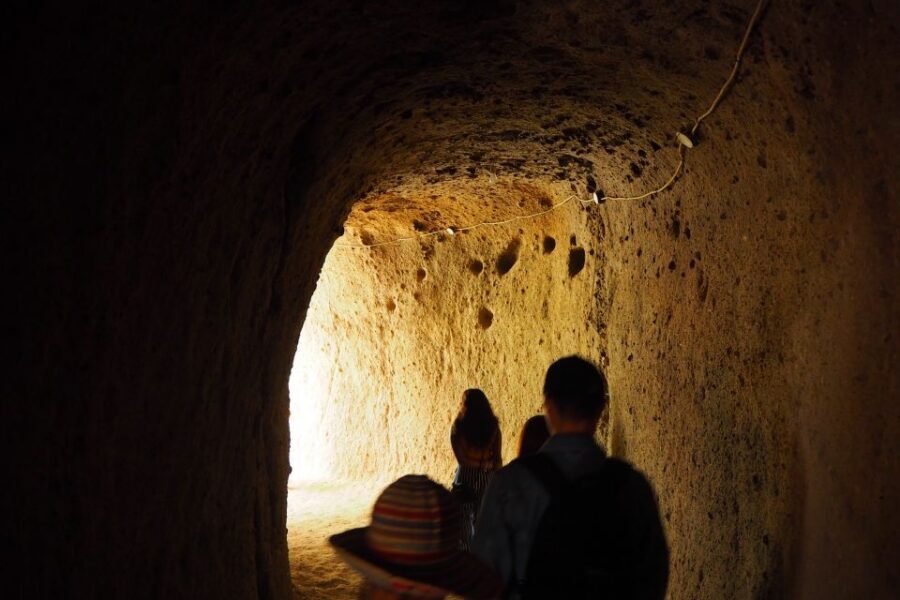
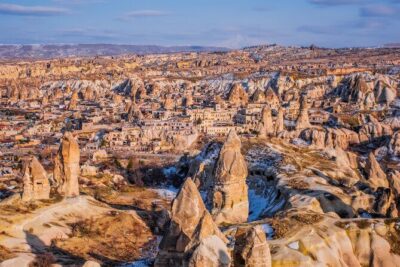
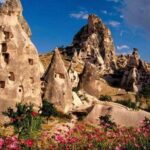
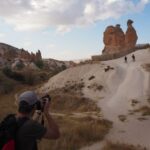
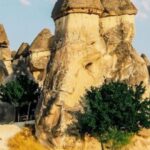
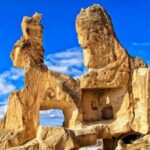
You start with the Göreme panoramic view—before you start collecting photos, the guide sets the stage. The focus here is the Cappadocia formation story: how volcanic material shaped the fairy chimneys and why the rock columns look the way they do.
I like this opening because it changes how you look at everything later. If you understand the “why,” the scenery stops feeling like just pretty rocks and starts feeling like a readable map of nature’s work.
You’ll also get a bit of free time for photos right after the explanation. It’s the kind of pause that helps the rest of the day work better, because you’ll recognize the shapes instead of just seeing them once.
You can also read our reviews of more city tours in Cappadocia



Derinkuyu Underground City: a maze with claustrophobia math
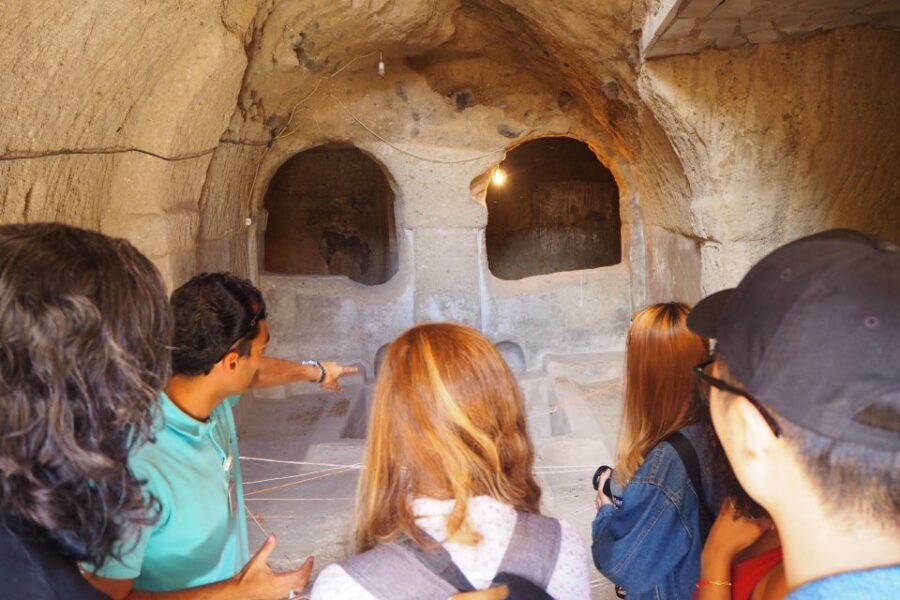
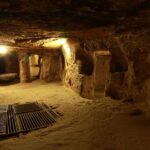
Then you head to Derinkuyu Underground City, and this is where the tour earns its name “Green” in a surprising way: it’s cool, quiet, and different from the daylight sites. You’ll learn how the underground spaces were first used by locals as a natural deep freeze, and later by the late Romans as protection against potential Arabian invasions.
In the tunnels and rooms, you’ll spend about an hour with the guide, which matters. Derinkuyu can feel overwhelming if you walk in cold. With explanations, doorways, storage areas, and the logic of the space start clicking into place.
Two practical tips:
- Wear clothes you don’t mind getting a little snug. The passages are tight in places.
- If you’re sensitive to confined spaces, take that seriously before committing. This underground city isn’t “wide-open exploration.”
Even with all that, people consistently find Derinkuyu to be one of the day’s strongest stops. The underground gives you a concrete sense of how communities adapted when life demanded it.
Ihlara Valley hike: volcanic layers, river walking, and cliff churches
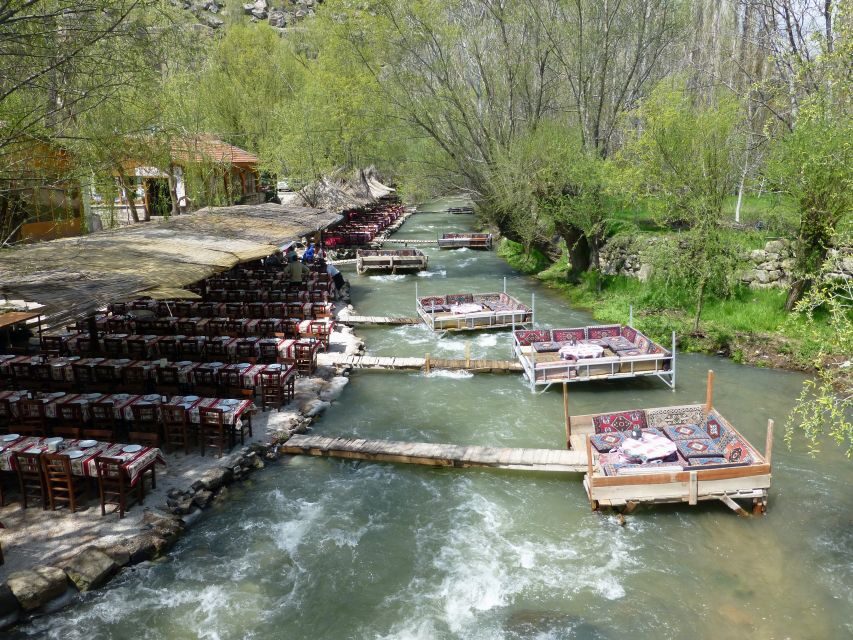
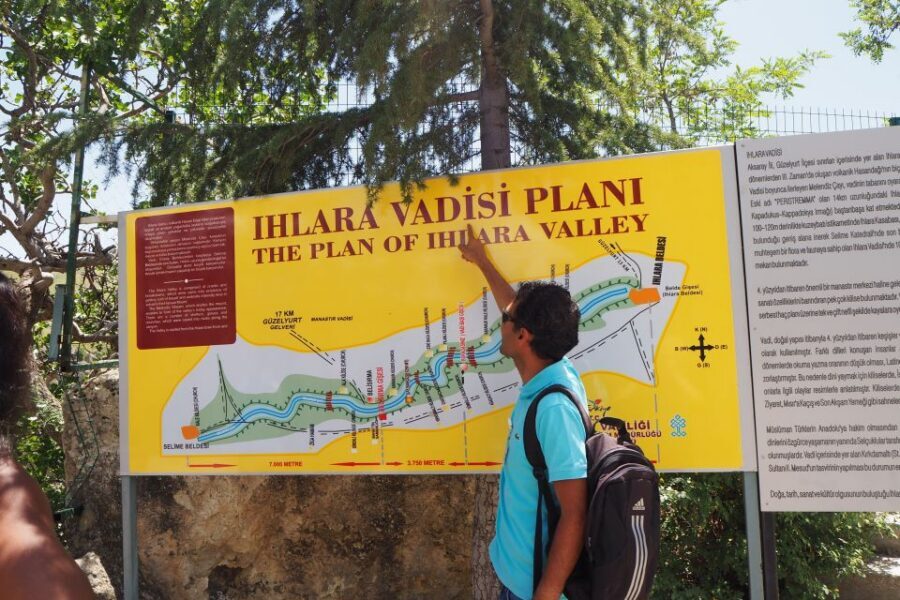
Next comes the Ihlara Valley hike, and this is the main outdoor payoff. You drive roughly 40 minutes from the underground stop, then arrive at the canyon entrance and get moving about an hour later.
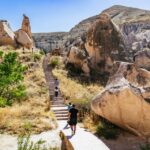
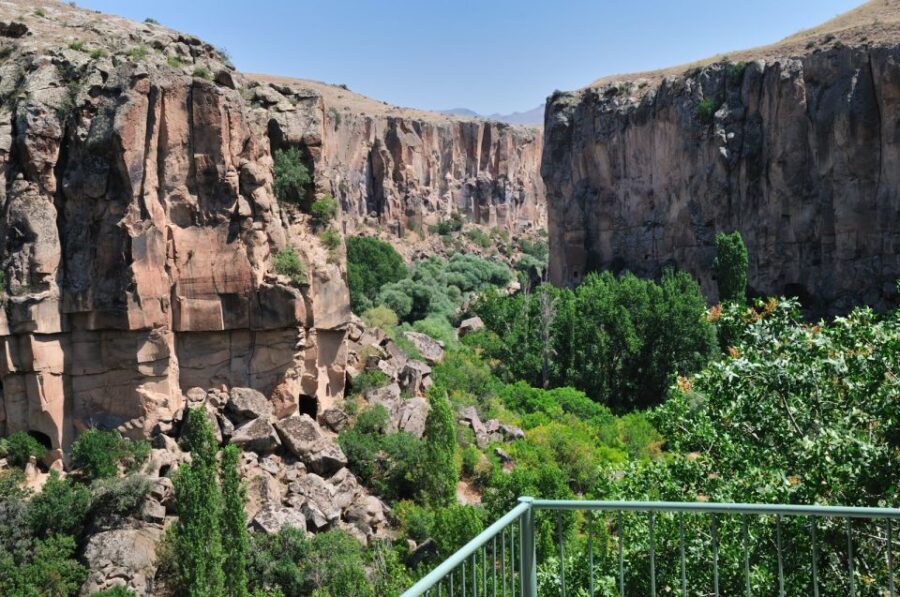
Here’s what makes the walk click: Ihlara Canyon exists because volcanic activity built the rock layers, then the Melendiz River eroded the valley over millions of years. The result is a deep canyon—about 80 meters down—cut into layers that still show wear, cracks, and collapse patterns from geologic time.
Your hike is about 3.5 km, and plan on around 1 hour 15 minutes. The pace is manageable, but it’s still a real walk. Bring hiking shoes, not just sneakers you’d wear for shopping.
This valley also carries the human layer of the story. In past centuries, Christians lived in different parts of the canyon, carving churches and painting them into the rock. Even if you don’t stop at every single painted area, you’ll feel the “built into the cliffs” character of the place.
One more detail that helps: after the hike, you won’t be dumped back into a long, pointless wait. The route is designed to transition from walk to lunch to monastery without leaving you stranded.
Lunch in Ihlara Town: good fuel, variable scenery
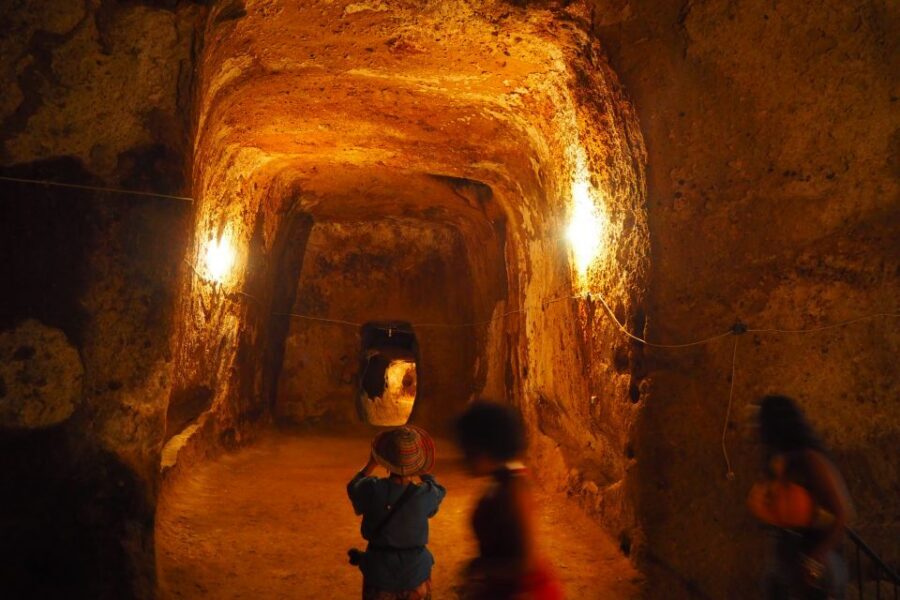
Lunch is in Ihlara town, with about an hour on the schedule. The meal starts with soup and salad, then you choose one main dish from a list, and it ends with seasonal fruits.
Most people find the food solid enough to keep you going through the afternoon. Still, don’t count on a single perfect setting. Some departures appear to be described as lunch by a river, but the restaurant environment can vary. If you’re the kind of person who loves setting views as much as the food, have Plan B in mind: good food first, scenic bonus second.
Since drinks aren’t included, bring cash or be prepared to purchase water or other drinks on-site. This is one of those days where you’ll be glad you did.
Selime Monastery: the castle look, then the monastic reality
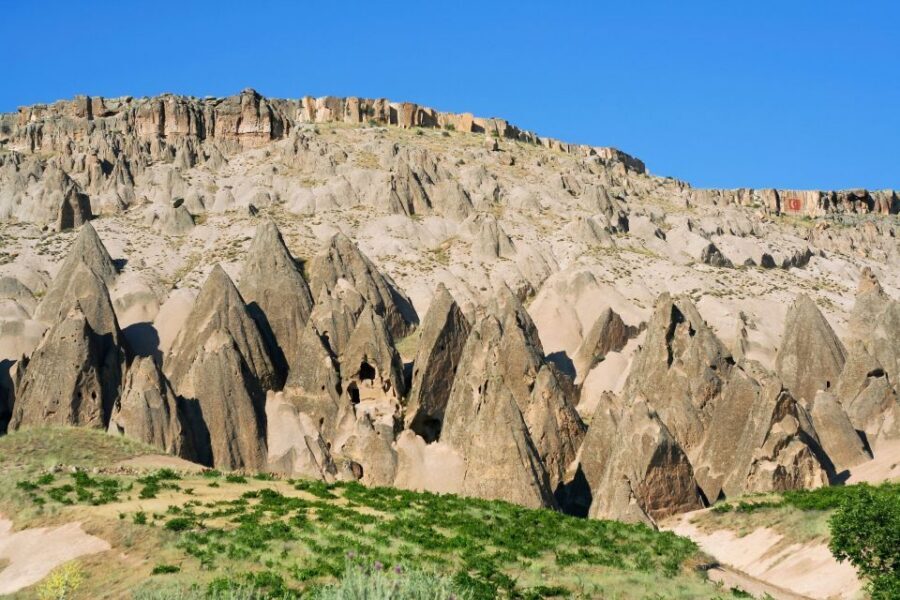
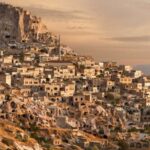
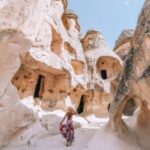
After lunch, the day shifts into what feels like a movie-set world—Selime Monastery. From a distance it can look like a castle, but the tour helps you read it as a monastery complex.
You’ll learn about monastic life in Cappadocia as you move through the site. The important point isn’t just the dramatic shapes—it’s what they meant: shelters, churches, chapels, bedrooms, storages, and a big cathedral area that shows the scale of religious life here.
You’ll also feel the physical reality of the site. The route includes a climb, and it can be tiring after lunch and walking in the valley. This is where a guide’s timing matters, and guides on this route are often praised for keeping the group comfortable and moving at a rhythm that works.
In other words: you’re not just taking pictures. You’re learning how this place functioned, which makes it easier to stay interested even if you’re already a little tired.




Pigeon Valley: where the birds shaped the homes

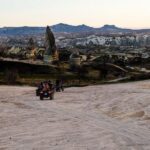
From Selime, you continue to Pigeon Valley. This stop is partly about viewpoints, but it’s also a culture lesson in disguise.
There’s time to rest—about an hour—before you fully take in what’s on top of the valley. Then you see pigeons, and you learn why they mattered historically. Pigeons weren’t just scenery. Their eggs and droppings were used for different purposes.
Because of that, local people carved pigeon houses into the slopes. When you arrive, you’ll see why they call them houses instead of just nesting spots. It’s one of those details that turns the valley from “pretty” into “explained.”
Pigeon Valley also tends to be quick photo-time once the meaning is explained. It’s a nice reset before the final craft stop.
Uçhisar onyx workshop: watch the craft, then decide on shopping
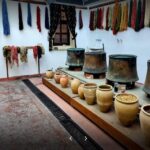
The last major stop is an onyx factory in Uçhisar, with a workshop experience focused on shaping the stone. Onyx here is volcanic stone with different colors and mineral variety, and Cappadocia has deposits because of its volcanic origin.
You’ll watch a shaping show led by a master craftsperson and get the step-by-step process. This part is often enjoyable even if you don’t plan to buy anything, because you’re seeing how the material is worked.
That said, here’s the honest caution: the onyx stop can feel like a sales push. One way to protect your experience is to treat it like a workshop demo, not a shopping mission. Look closely, enjoy the craft, and if you’re interested in buying, compare prices with local options later rather than assuming the first offer is the best value.
If you’re the type who wants souvenirs, this is a good place to browse with a clear eye. If you’re the type who prefers to spend your time sightseeing instead, you can still enjoy the show and keep your wallet shut.
Pacing, pickup timing, and how the day actually runs
This tour is built for efficiency. It’s about 8 hours total, and you’ll typically return around 5 to 6 pm.
Pickup is included from several towns, with set morning windows:
- Ürgüp, Avanos, Ortahisar: about 8:45 to 9:00 am
- Göreme: about 9:30 am
- Uçhisar: about 10:00 am
Drop-off goes back to the pickup zone areas (Ürgüp, Ortahisar, Uçhisar, Nevşehir, Avanos, Göreme, Çavuşin).
What this means for you: you’ll be in transit part of the day, but the stops are timed so you’re not just sitting. Photo time is built in early at the panorama, walking time is purposeful in Ihlara, and the monastery stop comes after lunch when you’re mentally ready to switch from outdoors to stone architecture.
You’ll also want to plan for a full day on your feet. Between the Ihlara hike and the Selime climb, you’re not just “touring” in a comfortable chair.
Value check: why $71 can work (and when it doesn’t)
At about $71 per person, the price can feel fair for what you’re getting: hotel pickup and drop-off, a live guide, and lunch included. Museum tickets are included only if you select the option that covers them, so read that choice carefully before you commit.
This tour is good value if you want a one-day overview that still includes real variety:
- geology + viewpoints (Göreme)
- underground history (Derinkuyu)
- active walking (Ihlara Valley)
- monastic architecture (Selime)
- local livelihoods tied to birds (Pigeon Valley)
- hands-on craft observation (onyx shaping)
Where it may not feel like a bargain is if you hate shopping stops or you’re expecting long free-exploration time. Some people want more time to linger at Selime Monastery to explore at their own pace. Also, if you’re very picky about restaurant settings, the lunch location can be a mixed bag.
But for most people who want to cover major Cappadocia highlights without organizing transport across multiple stops, it’s a strong deal.
Who should book this Green Tour, and who should skip it
This works best for you if:
- you like guided explanations that make sites easier to understand
- you’re comfortable with a real hike (about 3.5 km)
- you’re okay with an underground environment that’s not open and airy
- you want a mix of nature, history, and craft in one day
Skip it or choose something different if:
- you need wheelchair-friendly access (this tour is not suitable for wheelchair users)
- you’re strongly claustrophobic and dread tight underground passages
- you’re sensitive to “workshop = shopping” energy and would rather avoid that dynamic
If you’re between those extremes, go with your priorities. The itinerary’s center of gravity is the canyon walk and the underground city. The onyx workshop is the variable part.
Should you book? My take
Book this tour if you want a single, organized day that connects Cappadocia’s rock shapes to real human stories. The Derinkuyu and Ihlara Valley portions are the backbone, and the guidance helps you notice details you’d miss on your own.
Don’t book this tour if you want a slow, wandering day with lots of independent time. And do think twice if underground spaces scare you. You’ll get the most from it when you treat onyx shaping as a craft demo and not a mandatory shopping stop.
If you decide to go, pack hiking shoes, sunglasses, and your passport. Then show up ready to walk, learn, and look closely.
FAQ
How long is the Ihlara Valley hike?
The walk in Ihlara Valley is about 3.5 km and takes roughly 1 hour 15 minutes.
What’s included in the tour price?
Hotel pick-up and drop-off, a guide, and lunch are included. Museum tickets are included only if you choose the option that includes them.
Does the tour include museum tickets automatically?
No. There are two options: one where museum tickets are included in the price, and one where they are not. You can choose the option you want.
What languages is the guide available in?
The live guide is available in English and Turkish.
Where does the tour pick you up, and when?
Pick-up is available from Ürgüp, Avanos, Çavuşin, Göreme, Nevşehir, Ortahisar, and Uçhisar. Morning pick-up times are roughly 8:45–9:00 am for Ürgüp/Avanos/Ortahisar, about 9:30 am for Göreme, and about 10:00 am for Uçhisar.
What time do you return to your hotel?
You return to your hotel around 5–6 pm.
Is lunch included, and what does it include?
Yes. Lunch includes soup and salad first, then you choose a main dish from the list, and it ends with seasonal fruits.
Is the tour wheelchair accessible?
No. The tour is not suitable for wheelchair users.