REVIEW · GOREME
Cappadocia Home Cooking Experience
Book on Viator →Operated by Skyway Travel Cappadocia · Bookable on Viator
Cappadocia is famous for views, but this class is about food and family. In a restored stone-arch house in a village near Göreme, you get a warm, hands-on Turkish home-cooking experience that starts with fresh produce from an organic garden and ends with a meal you made yourself.
I love how this doesn’t feel like a performance. You’ll be chopping, rolling, stuffing, and cooking with an experienced team, and the whole pace stays friendly and personal. One thing to consider: the experience depends on good weather, so plan for the possibility of an alternate date if conditions aren’t right.
In This Review
- Key highlights
- The restored stone-arch home where Turkish cooking actually feels normal
- How the 3-hour class works: pick, cook, eat
- The organic garden visit: where your ingredients get real
- The menu you can expect to cook: börek, mantı, karnıyarık, kadayıf
- What you learn while you cook: village life, not just recipes
- Tea, snacks, and a meal that feels like yours
- Pickup, group size, and English support that keep things simple
- Price and value: what $114.39 buys you in real terms
- Vegetarian options and flexible hospitality
- Weather, pace, and who this class is really for
- Should you book this Cappadocia Home Cooking Experience?
- FAQ
- Where does the cooking class take place?
- How long is the experience?
- What does it cost?
- Is pickup and drop-off included?
- Is the class offered in English?
- How big is the group?
- What dishes are included?
- Does the price include food?
- Is there a vegetarian option?
- What happens if the weather is bad?
- Is there free cancellation?
- Are service animals allowed and is it near public transportation?
Key highlights
- Stone-arch home setting: a restored, traditional space in Cappadocia-style village life
- Garden-to-dish: pick natural herbs and vegetables you’ll actually cook
- Small group size (max 12): more hands-on time and easier attention from the instructors
- Cook a full menu: soup, starters, main dishes, and dessert plus Turkish tea
- Family-style hospitality: the hosts treat the table like part of their home
- English support: offered in English with a simple, approachable teaching style
The restored stone-arch home where Turkish cooking actually feels normal
Most cooking classes in tourist areas teach recipes. This one teaches how people cook at home in Cappadocia.
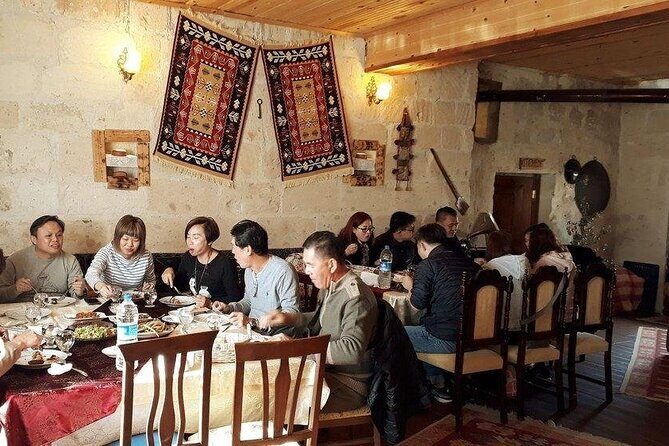
The meal happens in a restored traditional stone arch house in a village area near Göreme. That matters more than it sounds. Stone homes in this region keep the space comfortable, and they also make the class feel grounded in place. You’re not running around a kitchen studio. You’re sharing a table and a workflow that looks like it has been used for generations.
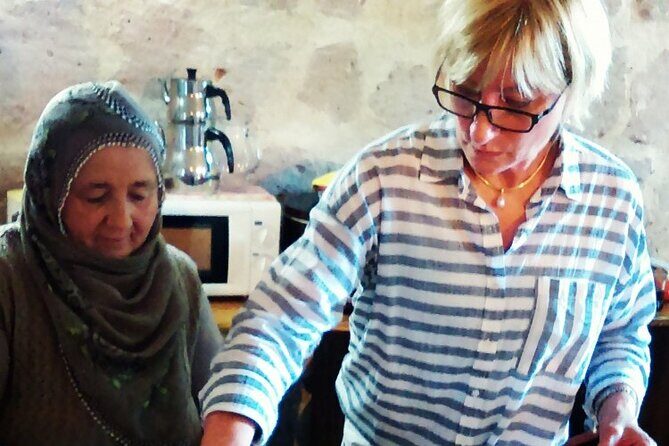
What you’re really paying for is the setting plus the story that comes with it: village traditions, everyday habits, and how the family uses what they grow. The class is described as family-run, and that shows in the tone. Expect a warm welcome, not a scripted talk.
You can also read our reviews of more cooking classes in Goreme
How the 3-hour class works: pick, cook, eat
The experience runs about 3 hours, which is a sweet spot. Long enough to learn real technique and finish multiple dishes. Short enough that you don’t feel stuck all day.
A typical flow looks like this:
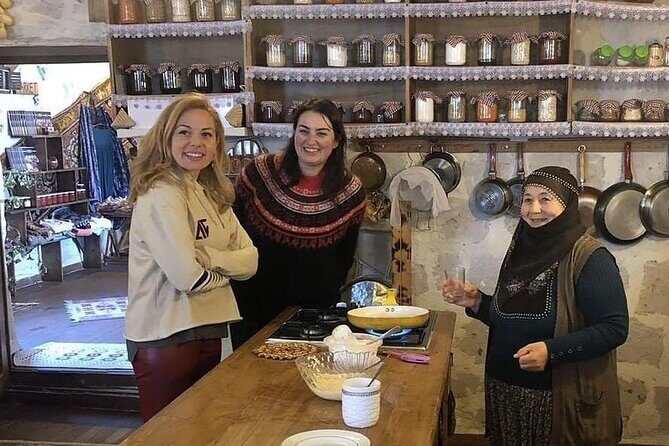
First, you’re introduced to the family and the home cooking setup. Then you visit the organic garden, where you pick fresh vegetables and herbs for the meal. After that, you cook. The structure is built around a full Turkish menu rhythm: you’ll work through a soup, move to entrees and starters, then tackle main dishes, and finish with a dessert, all while enjoying Turkish tea during the class.
You also get snacks along the way, and the class includes coffee and/or tea. By the time you sit down to eat, you’re not just tasting Turkish food—you’re tasting your own work, plus the family’s guidance.
The organic garden visit: where your ingredients get real
This is one of the most valuable parts of the experience, and it’s not because it’s pretty (though Cappadocia does have that effect). It’s because you get to connect the flavors to the source.
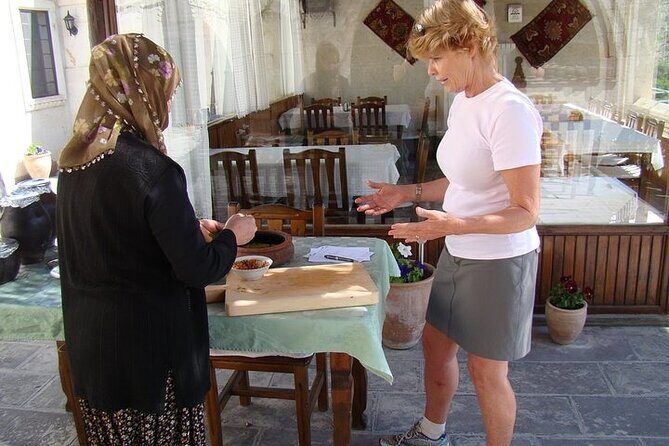
You’ll be shown the family’s natural and organic fruits, vegetables, and spices farmed in their garden. Then you’ll pick fresh vegetables and herbs to use in the cooking. That little act changes how you notice taste. When you choose the herbs yourself, you can actually track what ends up in the soup, the starters, or the salads.
One detail I particularly like: the ingredients aren’t just presented as organic on a label. In a real home-kitchen context, organic produce matters because it affects aroma and freshness. If the family uses garden herbs right that day, you can usually tell.
The menu you can expect to cook: börek, mantı, karnıyarık, kadayıf
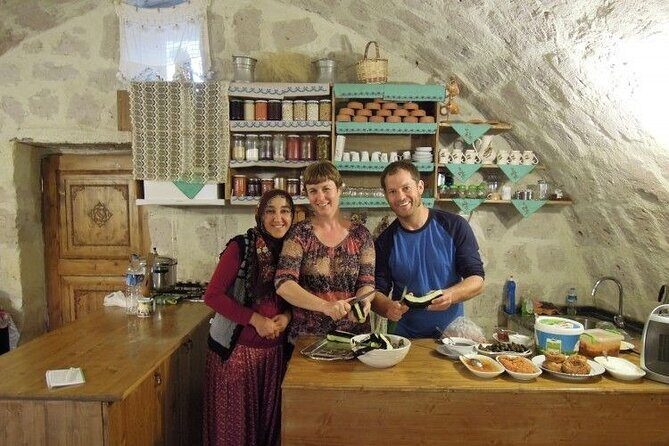
The class menu can vary a bit, but you should expect you’ll help prepare dishes that represent classic Turkish home cooking. From the experience’s sample menu, here are the standouts:
Starters and add-ons you may make
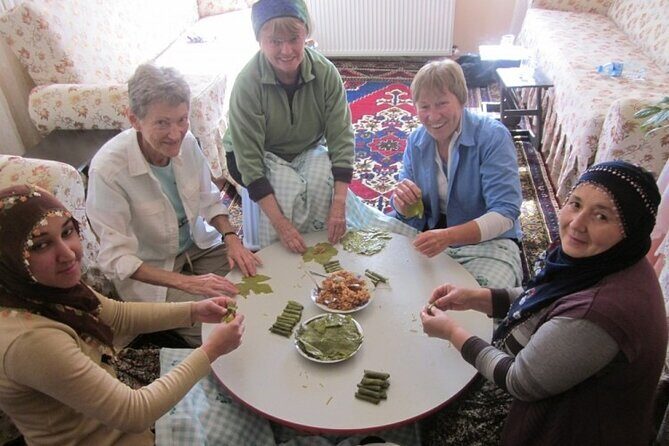
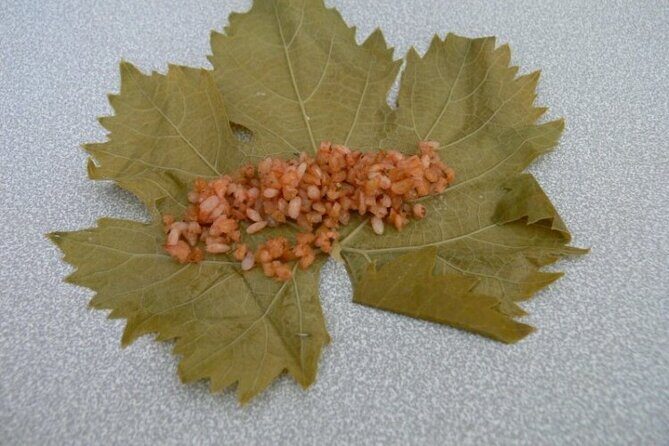
- Yaprak sarma: vine leaves rolled for savory filling
- Salata: a simple Turkish salad alongside the meal
- Pilav: rice prepared as part of the table
- Börek: a baked or fried pastry style you can help assemble
Mains you may make
- Mantı: Turkish dumplings, often served with yogurt and sauce
- Karnıyarık: stuffed eggplant, a beloved home-style main
Soup
- You’ll prepare a soup as part of the class structure. One participant described making red lentil soup, so you might see lentils show up depending on the day.
Dessert
- Kadayıf: a sweet dessert built from shredded pastry, commonly paired with syrup or honey notes
In the kitchen, the sequence is practical. You’re not just watching someone else do the hard parts. You’ll do meaningful prep tasks and cooking steps, and the instructors guide you so you leave with techniques you could repeat later.
What you learn while you cook: village life, not just recipes
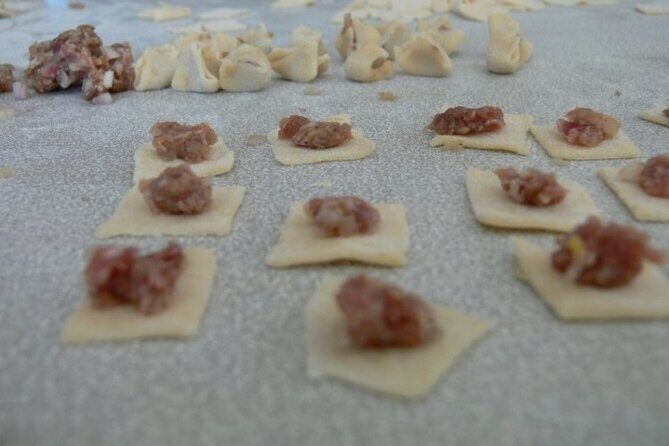
The lesson isn’t only about how to fold, stuff, and simmer. The class also includes time for the family to share about their village and traditions—how they live, what they keep, and how food fits into daily life.
This matters if you care about more than just getting a photo of a dish. When someone explains why a certain ingredient matters or how their household handles timing, you end up learning food in a human way. You’re also more likely to understand the logic behind Turkish seasoning and how meals are built for sharing.
The hands-on part helps too. When you work through a multi-dish menu in one afternoon, you get a sense for how Turkish home cooking balances textures: something wrapped, something baked, something saucy, something sweet.





Tea, snacks, and a meal that feels like yours
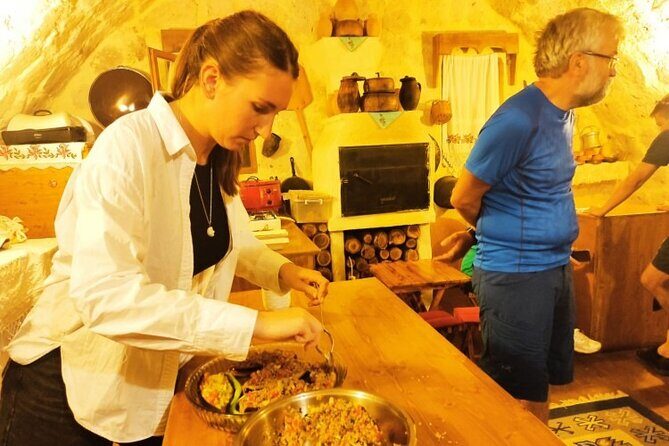
This is the kind of cooking class where you end up lingering. The class includes a cup of traditional Turkish tea during the session, plus snacks and then the full meal based on what you cooked.
Because the menu includes multiple courses, it doesn’t feel like a small tasting plate. You’ll eat what you make, and the class is described as including lunch or dinner. That is a real advantage in value: you’re essentially turning your time into a complete meal with cultural context.
One extra detail that signals how seriously the family treats food: in one account, honey came from the family’s own hives. You might not always see the same ingredient story on every day, but it supports the idea that the hosts aren’t using food as a marketing prop.
Pickup, group size, and English support that keep things simple
Logistics can wreck a great day. This experience is built to stay easy.
Pickup and drop-off are included, which means you’re not trying to solve transportation to a village setting on your own. The meeting point is handled by providing an exact address or choosing a known place in the area, so you’ll have a clear starting instruction when you book.
Group size is capped at 12 travelers. I like this because it usually means you don’t get shuffled into the back of the kitchen with no tasks. Smaller groups typically allow more individual attention, especially with steps like rolling, stuffing, and timing the cooking.
The experience is offered in English, so you should feel comfortable asking basic questions and getting clear guidance.
Price and value: what $114.39 buys you in real terms
At $114.39 per person, you’re paying for a full, structured class that includes a lot of the expensive parts travel shoppers care about: transportation, instruction, food, and ingredients.
Here’s what’s included:
- Lunch/dinner (the meal you make)
- Pick-up & Drop-off
- Coffee and/or Tea plus traditional Turkish tea during the class
- Snacks
- Products for cooking (so you’re not paying extra for ingredients)
When you compare this to paying for a restaurant meal plus a separate guided activity, the value starts to make sense. This isn’t only about eating Turkish food. It’s about cooking it with guidance in a traditional setting, then sitting down afterward. For many people, that combination feels more satisfying than a sightseeing tour that ends with a quick bite.
If you want a practical rule: if you enjoy learning by doing and you like eating what you make, this price is easier to justify. If you want a fast stop with no cooking time, it might feel like more commitment than you need.
Vegetarian options and flexible hospitality
One of the strongest signals from firsthand accounts is that the hosts take preferences seriously. In one case, they were able to accommodate a vegetarian preference.
That doesn’t mean every day’s menu can be changed perfectly, but it does suggest you should ask when you book. If you tell them your needs early, you’re more likely to get a smooth, comfortable experience at the table.
Also, the hospitality can feel very personal. One participant shared that the family welcomed them warmly and even gave them a Turkish name. That’s not something to count on, but it’s a good clue about the vibe: you’re not just filling out a customer checklist.
Weather, pace, and who this class is really for
This experience requires good weather. That matters because parts of the experience include time outdoors in the garden. If conditions are poor, you’ll be offered a different date or a full refund.
In terms of pace, the class is busy but not rushed. You’ll cook multiple dishes in a 3-hour window, which means you get to leave with a sense of accomplishment. It’s hands-on and guided, not a passive demo.
Who it’s best for:
- You want a real taste of Turkish home cooking beyond restaurant browsing
- You like small groups and practical instruction
- You enjoy food stories: garden ingredients, village traditions, and family hospitality
Who might prefer something else:
- You don’t want to cook or handle food at all
- You’re traveling with very limited time and need a shorter stop
Should you book this Cappadocia Home Cooking Experience?
Book it if you want a hands-on meal in a traditional setting, with pickup included and a full course outcome. This is the kind of activity that turns Cappadocia from scenery-only into something you’ll remember with your senses: herbs you picked, dishes you assembled, tea you shared.
Skip it if you’re strictly looking for sightseeing or you hate cooking classes. Also keep an eye on weather because the garden component is part of what makes it special.
If you book, do one smart thing: tell them about any food preferences ahead of time (like vegetarian needs) so the kitchen can set you up comfortably.
FAQ
Where does the cooking class take place?
It takes place in the Cappadocia area, with the location listed as Göreme, Turkey. The class is held in a village stone arch house setting, and you’ll receive pickup details when you book.
How long is the experience?
The class lasts about 3 hours.
What does it cost?
It costs $114.39 per person.
Is pickup and drop-off included?
Yes. Pick-up and drop-off are included.
Is the class offered in English?
Yes, the experience is offered in English.
How big is the group?
The experience has a maximum of 12 travelers.
What dishes are included?
The sample menu includes kadayıf (dessert), karnıyarık (main), and starters like yaprak sarma, salata, plus other courses such as mantı, pilav, and börek. You’ll also cook soup as part of the class.
Does the price include food?
Yes. Lunch/dinner is included, along with snacks, coffee and/or tea, and products for cooking.
Is there a vegetarian option?
Vegetarian accommodation was reported in at least one instance. If you’re vegetarian, you should mention your preference at booking.
What happens if the weather is bad?
The experience requires good weather. If it’s canceled due to poor weather, you’ll be offered a different date or a full refund.
Is there free cancellation?
Yes. You can cancel up to 24 hours in advance for a full refund.
Are service animals allowed and is it near public transportation?
Service animals are allowed, and the experience is near public transportation.