REVIEW · GOREME
Crafting Clay: A Journey into Pottery Artistry
Book on Viator →Operated by Cappadocia.Help · Bookable on Viator
Clay has a way of slowing you down. In Cappadocia, a pottery workshop gives you something more than photos: you get your hands on the process—shaping clay, learning basic techniques, and then stepping through a gallery of finished work.
I like that it’s built around hands-on basics (not just watching). You also get included Turkish coffee/tea and local red wine for those who meet the age requirement. One thing to consider: a few reviews mention the class can feel short or more shop-focused than expected, so I recommend going in with realistic expectations about how much instruction you’ll get in an hour.
In This Review
- Hands-On Pottery Workshop in Avanos: The Quick Pitch
- What You’ll Actually Do (Not Just Watch): The Basic Flow
- A typical session rhythm
- The Top Moments People Love Here
- Where This Workshop Starts: Kybele Boutique Ceramic (Avanos)
- The Pottery Techniques: Pinching, Coiling, and Slabs
- Pinching
- Coiling
- Slab building
- The Kick Wheel Moment: Old-School Craft That Feels Real
- Coffee, Tea, and Red Wine: A Cozy Setup
- Gallery Time: Why Seeing Finished Pieces Matters
- The Shop Side: Good Craft, Possible Price Shock
- Value for $5: When It’s a Great Deal vs. When It’s Not
- Who This Workshop Is Best For
- Practical Tips Before You Go
- Should You Book Crafting Clay?
- FAQ
- How long is the Crafting Clay pottery workshop?
- Where is the meeting point for the workshop?
- Is coffee or tea included?
- Are alcoholic beverages included, and is there an age requirement?
- What pottery techniques will I learn?
- Is there food included besides drinks?
- Do I use a kick wheel?
- Is the tour private?
- Can I cancel for a full refund?
Hands-On Pottery Workshop in Avanos: The Quick Pitch
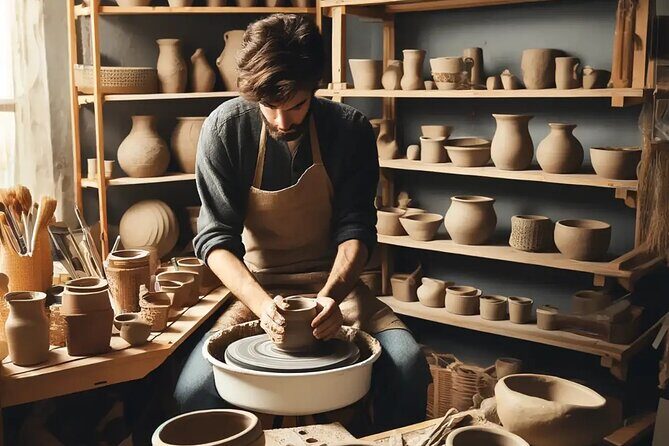
If you’re in Cappadocia and want a break from sweeping viewpoints, this is a practical change of pace. The workshop is centered in Avanos, a town famous for pottery, and your session runs about an hour. You’ll start with clay in front of you and learn how to turn it into a real, take-home object using core methods like pinching, coiling, and slab building.
This kind of activity works especially well when you travel with mixed interests. Some days, the group wants action and variety. Pottery hits that sweet spot: it’s creative, hands-on, and surprisingly calming—messy in a satisfying way.
There’s also a built-in social factor. Even in a private setup, the work is visual and tactile, so it’s easy to chat, compare what you’re making, and laugh when clay does clay things.
What You’ll Actually Do (Not Just Watch): The Basic Flow

The experience is simple and direct: show up, get clay, learn a few techniques, make your piece, and then move through the workshop’s shop/galleries to see how finished pottery comes together.
You can also read our reviews of more tours and experiences in Goreme.


A typical session rhythm
- Warm welcome + drinks: Coffee and/or tea come first, with local red wine also included (if you’re 18+).
- Pottery technique demo + practice: You’ll work through fundamentals like pinching, coiling, and slab building.
- Kick wheel time: The workshop includes access to an authentic-style kick wheel, which is one of the most memorable parts for many people.
- Gallery/shop walk-through: After you make something, you’ll spend time looking at finished pieces and learning about the making process.
- Take your creation home: The experience is designed so you leave with what you made.
That’s the core of it. The only wildcard is how much time you personally get on each step—because the total time is about an hour.
The Top Moments People Love Here

Hands-on time beats museum-style learning. You’re not passively staring at a table while someone else works.
The kick wheel is the headline skill. Reviews repeatedly call it fascinating, and trying it adds that old-school craft feel.
The gallery walk adds context. After you make something, it helps to see finished work and hear how it’s produced.
The staff tone is friendly. A strong theme is that the owner and team are kind and welcoming.
You get more than just clay. The included drinks and the shop/gallery side turn it into a fuller experience than a 10-minute craft stop.
Where This Workshop Starts: Kybele Boutique Ceramic (Avanos)
Your starting point is Kybele Boutique Ceramic on Alaaddin, Sanayi Cd. No:33 in Avanos (near Cappadocia’s sights). The overall tour location may be described as Goreme, but the workshop itself is at this Avanos meeting point—so plan your day with Avanos in mind.
I’d treat this as a focused stop, not something you squeeze in between major attractions. One hour flies when you’re shaping clay, learning a wheel, and trying not to overthink what you’re doing.
The Pottery Techniques: Pinching, Coiling, and Slabs
The class is built on three basic methods. Even if you’ve never done pottery before, you’ll get at least a taste of how each approach creates a different look and structure.






Pinching
Pinching is the closest thing to instant gratification—start with a lump and gently compress and shape it. It’s good for small forms and it teaches you how clay responds under your fingers.
Coiling
Coiling is more rhythmic. You roll clay into ropes and build up walls. It helps you understand structure—how thickness and joining points matter.
Slab building
Slabs are about planning. You shape flat pieces, then combine them. It’s a helpful way to see how pottery isn’t just “art,” it’s also practical engineering—edges, angles, and seams all do work.
If you like crafts where you can feel the material learning curve, these methods give you a real sense of progress fast.
The Kick Wheel Moment: Old-School Craft That Feels Real

One of the most praised parts is the chance to try a pottery kick wheel—called out as something people found fascinating and impressive. This is where the experience shifts from basic hand-building to motion and control.
Even if you don’t master the wheel in one hour (you won’t, not fully), you’ll likely understand why this tradition matters. The wheel gives you instant feedback: speed changes shape, pressure changes thickness, and small adjustments matter.
This moment is often the one travelers remember later when they’re back at home, passing by a pot and thinking, I get how that was made.
Coffee, Tea, and Red Wine: A Cozy Setup

Drinks are included: Turkish coffee and/or Turkish tea, plus local red wine. There’s an age limit—minimum age to consume alcoholic drinks is 18—so make sure your group follows that.
Also: one lower-rated review said wine wasn’t offered even though it was expected. That doesn’t mean it’s always an issue, but it’s a good reason to politely check what’s included for your session when you arrive. Ask early, before you settle into the clay.
Gallery Time: Why Seeing Finished Pieces Matters
After you create your piece, the experience doesn’t end at the worktable. You’ll visit the shop area and gallery, where you can see finished works and learn a bit about the making process.
I like this part because it turns your messy hour into something you can connect to. You look at someone else’s finished pottery and suddenly recognize the logic: thickness, forms, and finishing choices.
One review specifically highlighted that after making a pot on the kick wheel, the person toured the gallery and was told about the process behind the art. That pairing—making first, seeing second—is a smart way to make the time stick.
The Shop Side: Good Craft, Possible Price Shock
There’s a trade-off built into many craft workshops in Turkey: the studio is also a shop. The pottery products are real and well made, and the designs can be attractive.
But here’s the caution. Some feedback points out that the shop can feel expensive and that you may feel like instruction is lighter than expected if you’re hoping for a longer class. In at least one case, a review claimed the experience included very little actual teaching time, followed by heavy selling.
So how do you protect yourself? Decide your goal before you arrive:
- If your goal is hands-on learning, show up ready for fundamentals and focus on your own piece.
- If you also want to shop, set a budget in advance and compare what you see elsewhere in Cappadocia afterward.
- If you don’t want sales pressure, keep your attention on the making process and treat the gallery as inspiration, not a buying obligation.
The good news: even if you skip purchases, the clay portion and kick wheel trial are still the heart of the experience.
Value for $5: When It’s a Great Deal vs. When It’s Not
At $5 per person, this workshop is priced like a bargain compared with many craft classes elsewhere. That price point is a major plus for value—especially because equipment use and basic instruction are included, along with drinks and access to a kick wheel.
But value isn’t just the price. It’s what you expected to learn in an hour. If you come in expecting a multi-session course with deep technique training, you might leave wanting more. If you want a fun, beginner-friendly taste of pottery with a take-home result, it’s likely to feel worth it fast.
In other words: this is best viewed as an experience, not a certification.
Who This Workshop Is Best For
I think this is a great fit if you:
- Want a creative break from daily sightseeing
- Enjoy hands-on activities where you can make something tangible
- Are curious about Turkish pottery traditions and how basic forms are built
- Travel with friends who like different things but want to share one activity
It’s also a solid option if you don’t need a huge amount of technical instruction and you’re happy to learn fundamentals and try the wheel.
If you’re extremely detail-oriented about instruction length, I’d go in with a flexible mindset and focus on what you can control: your participation, questions, and your own piece.
Practical Tips Before You Go
To make the hour feel smooth, I’d plan like this:
- Wear clothes you don’t mind getting slightly dirty. Clay is messy by nature.
- Bring a small towel or wear something quick-drying, if you have it.
- If you want wine, confirm inclusion at the start (especially for mixed expectations in past feedback).
- Ask what you’ll be able to take home and when, so there are no surprises.
Also, because it’s a private tour/activity (only your group participates), you can usually ask a question without the class becoming crowded with other voices.
Should You Book Crafting Clay?
I’d book this if your goal is hands-on fun with a real craft moment—especially the kick wheel trial—and you’re happy with a fast, beginner-level introduction to pottery techniques.
I would hesitate only if your top priority is an in-depth class with lots of instruction time, or if you’re very sensitive to sales pressure in a workshop setting. Given the mixed feedback, it pays to go in expecting a short practical session plus gallery/shop time.
If you want a low-cost creative stop in Cappadocia that can produce a take-home souvenir with actual meaning, this one is a strong choice. Just keep your expectations aligned with an hour—and enjoy the clay while it’s happening.
FAQ
How long is the Crafting Clay pottery workshop?
It’s approximately 1 hour.
Where is the meeting point for the workshop?
The start location is Kybele Boutique Ceramic, Alaaddin, Sanayi Cd. No:33, 50500 Avanos/Nevşehir, Türkiye.
Is coffee or tea included?
Yes. Turkish coffee and/or Turkish tea are included.
Are alcoholic beverages included, and is there an age requirement?
Yes. Local red wine is included, but the minimum age to consume alcoholic drinks is 18.
What pottery techniques will I learn?
You’ll learn the fundamentals including pinching, coiling, and slab building.
Is there food included besides drinks?
No. Snacks are not included.
Do I use a kick wheel?
Yes. The experience includes use of pottery making equipment, including an authentic kick wheel.
Is the tour private?
Yes. It’s a private tour/activity, and only your group participates.
Can I cancel for a full refund?
Yes. You can cancel up to 24 hours in advance for a full refund. If you cancel less than 24 hours before the start time, the amount paid won’t be refunded.