REVIEW · GOREME
Göreme: The Original Dervish Ritual in Konya or Cappadocia
Book on GetYourGuide →Operated by Paphlagonia Tour Travel Agency · Bookable on GetYourGuide
Dervishes spin history into the present. This outing is interesting because you’re watching real dervishes perform in a historic setting rather than catching a watered-down stage act, and you get a guided visit at the Saruhan Kervansaray area when the Cappadocia option fits your schedule. One possible drawback: the ceremony has strict rules—no cameras, no video, and no audio recording inside—so you need to be comfortable with that.
Timing also matters if you’re going in early December. During December 07–17, 2024, the Şeb-i Arus program linked to Mevlana Celaleddin Rumi’s death anniversary runs at the Mevlana Art Center, and your pickup window is adjusted to match the ceremony start.
In This Review
- Key things to know before you go
- What you’re really seeing: a Sufi ritual, not a costume show
- Konya or Cappadocia: which dervish night fits you best?
- Picking Konya for Şeb-i Arus
- Picking Cappadocia for Saruhan Kervansaray
- Hotel pickup and the ride: how not to lose time (or your temper)
- The Saruhan Kervansaray stop: photos and a guided look at place
- Inside the ceremony: music, prayers, and the whirling moment
- Camera rules: how to photograph responsibly without missing the moment
- Price and value: is $50 fair for what you get?
- How long you’ll be out (and how to plan your day)
- Who this is best for (and who should skip it)
- Should you book this dervish ritual tour from Göreme?
- FAQ
- Where does the dervish ceremony take place?
- How long is the tour?
- What is included in the price?
- Is food or drinks included?
- What about hotel pickup timing?
- Are cameras allowed?
- Will I be able to take photos at the end?
- What languages are available for the driver?
- Is the tour refundable if my plans change?
Key things to know before you go
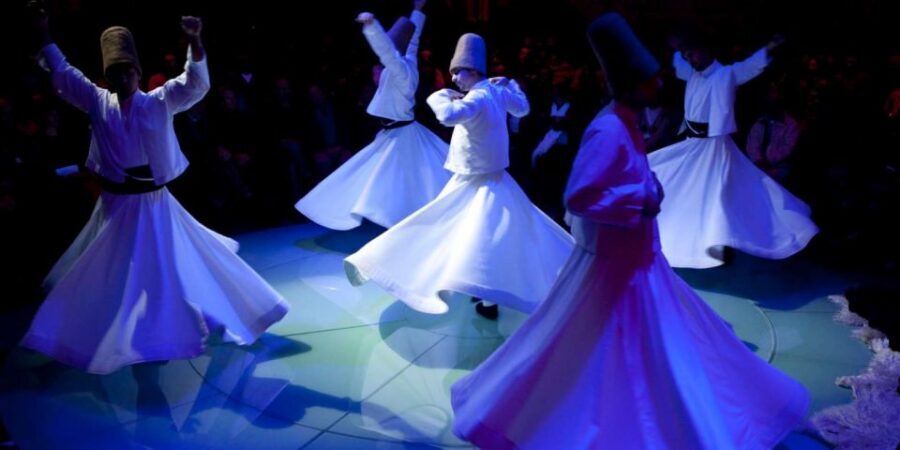
- Konya vs Cappadocia options: choose Mevlana Art Center or the Saruhan Caravanserai setting
- Şeb-i Arus season (Dec 07–17, 2024): special program dates at Konya
- Hotel pickup from Göreme and nearby towns: multiple pickup/drop-off points across the region
- No cameras during the ritual, but a photo moment may follow: plan for rules-first, then photos at the right time
- Short guided touring time at Saruhan Kervansaray: you’ll get context and time to look around
- Food and drinks not included: you’ll want to manage your expectations (and hydration)
What you’re really seeing: a Sufi ritual, not a costume show
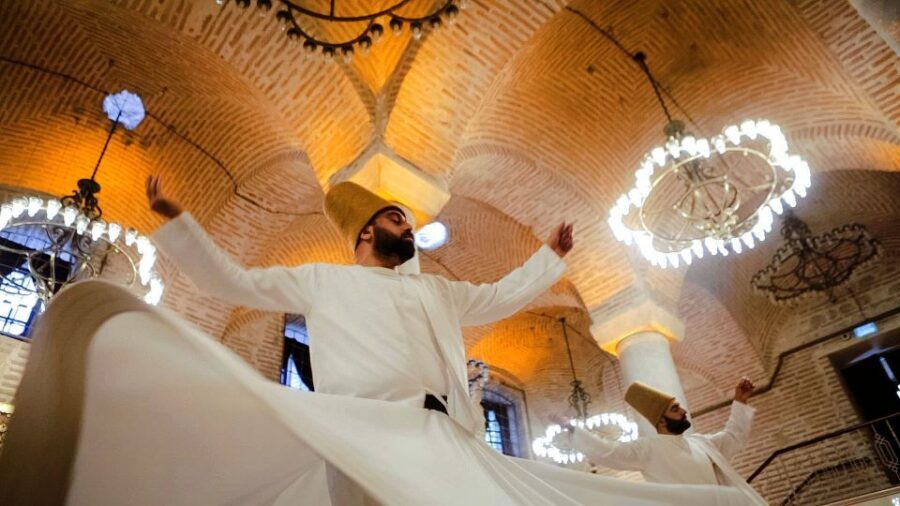
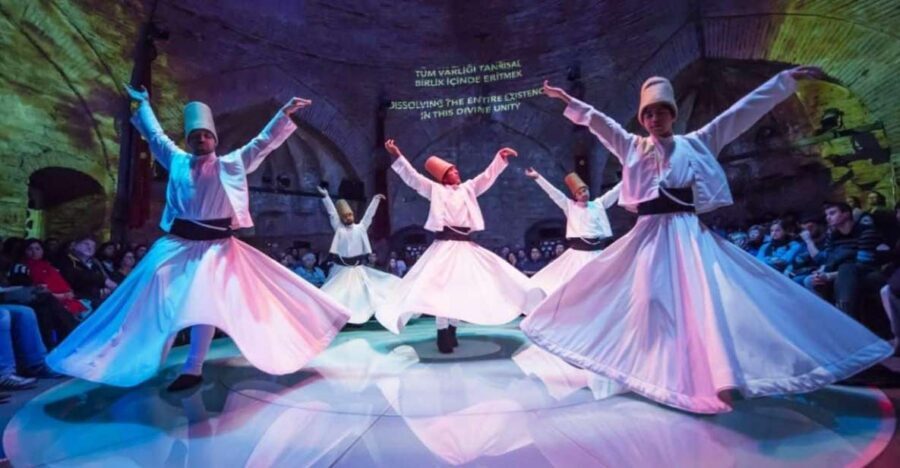
The biggest value here is simple: you’re there for a daily-style spiritual practice performed by dervishes in a formal venue. In Konya, that means the Mevlana Art Center setting connected to Mevlana’s legacy. In Cappadocia, it’s staged in the atmosphere of a historic 12th-century caravanserai setting at Saruhan, which makes the whole thing feel less like a tourist product and more like you stepped into someone’s world for a short time.
I also like how the format gives you structure. You’re not just dropped in and left to guess what’s happening. There’s a guided component and you may even receive a small booklet to help you follow the sequence—so the music, prayers, and the whirling portion land with more meaning instead of being random motion.
My only caution is that this is spiritual and sometimes intense. If you’re sensitive to enclosed spaces or get overwhelmed easily, you’ll want to think twice. The operator lists it as not suitable for people with claustrophobia, epilepsy, motion sickness, and mobility impairments, which is a pretty clear hint that the environment and the ritual pacing aren’t designed for everyone.
You can also read our reviews of more tours and experiences in Goreme.


Konya or Cappadocia: which dervish night fits you best?
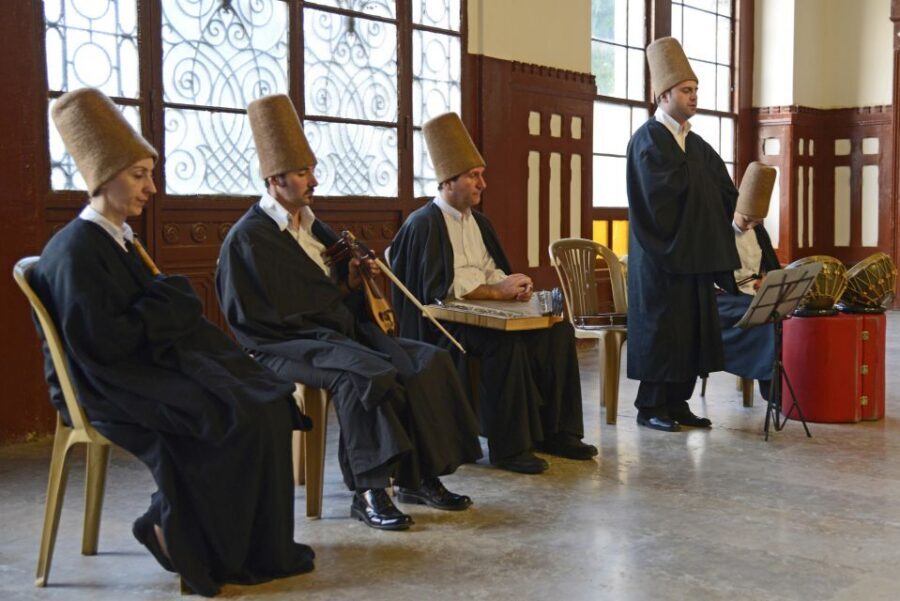
This tour is built around a choice. You can go to Konya for the Mevlana Art Center ceremony, or you can choose a Cappadocia dervish ceremony in the Saruhan Caravanserai area.
Picking Konya for Şeb-i Arus
If your dates fall between December 07 and 17, 2024, Konya’s Şeb-i Arus program is the big draw. This is part of the 751th Reunion Anniversary commemoration ceremonies tied to Mevlana Celaleddin Rumi’s death anniversary. In plain terms: this is the moment when the city leans extra hard into the tradition, and your ceremony experience may feel more like a grand event than a local nightly ritual.
Konya also typically means a longer day, because the pickup schedule is earlier. If you’re picked up from the Konya side, pickup is about 1.5 hours before the ceremony. If you’re picked up from Cappadocia, you can be picked up at least 4 hours before—more time in the car, but often smoother logistics for a special event.
Picking Cappadocia for Saruhan Kervansaray
The Cappadocia option has its own magic. The Saruhan Kervansaray setting carries a strong sense of place, with the ceremony tied to a historic atmosphere rather than a modern theatre feel. If you want a dervish experience closer to where you’re staying in the Göreme area, this choice can feel more relaxed.
It also tends to be more practical for short stays. The tour duration is listed broadly as 2 to 6 hours depending on the schedule, so the Cappadocia setting often works well when you don’t want to burn a full day traveling to Konya.
Hotel pickup and the ride: how not to lose time (or your temper)
The logistics here are a real part of the value. You get hotel pickup and drop-off, and the tour offers multiple pickup locations across the region: Konya, Çavuşin, Uçhisar, Göreme, and Ortahisar. Drop-off options match those same areas, including Göreme and Ortahisar, so you’re not stuck with a taxi bill after the ceremony ends.
Two timing details matter:
- If you’re picked up from Cappadocia, you’ll be collected at least 4 hours before the ceremony.
- If you choose pickup from Konya, it’s about 1.5 hours before.
Also, do yourself a favor and be ready early. You’re asked to wait in the lobby area about 5 minutes earlier than pickup time. That’s a small request, but it saves you the stress of tracking a driver who’s trying to meet a tight schedule.
There’s also a stop along the way listed as a 20-minute stop marked Van. In practical terms, you’ll want to use that moment if you need the restroom or a stretch break. If you’re the type who hates timing surprises, bring water so you don’t have to hunt down a drink right when you arrive.
The Saruhan Kervansaray stop: photos and a guided look at place
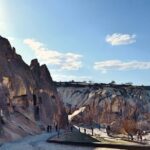
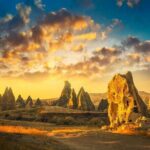
When the route includes Saruhan Kervansaray, you get a structured visit: a photo stop, a guided tour, and about 1.5 hours on site. That’s not just sightseeing padding. This stop helps you understand why the ceremony setting matters.
Caravanserais weren’t built for comfort. They were built for movement—stopping points for travelers, animals, and trade routes. When you watch a ritual in that kind of historical frame, the mood shifts. The building makes the ceremony feel grounded, not abstract.
You’ll also appreciate the time buffer. Even if you’re excited for the whirling portion, having a chance to walk around, take a few photos at the designated moment, and listen to a guide helps you arrive mentally ready instead of rushing in on adrenaline.
One practical tip: wear shoes you can move in. The guided tour portion can take you through uneven areas and you’ll want to focus on what you’re seeing instead of worrying about foot support.
Inside the ceremony: music, prayers, and the whirling moment
Here’s what you can expect in the core ritual experience. The ceremony typically begins with music—think reed instruments and drum—followed by praying. Then comes the whirling part, when the dervishes move in a way that’s both controlled and hypnotic.
The whirling isn’t just spectacle. In the best moments, it feels surreal because it’s happening in real time with real people in a dedicated space. The older the building, the more that effect kicks in. You’re watching a living tradition, not a performance staged for a camera.
There’s also a useful element of understanding. Some tours include a short booklet, which can help you follow what you’re seeing so you’re not just counting minutes until the finale. When you know roughly what phase you’re in, you can watch more calmly instead of trying to translate everything in your head.
Timing note: there are strict rules around what you can record and where. So if you want to remember this moment, prepare to do it with your attention first. Let the ritual be the main event, then use any allowed photo moment at the end.
Camera rules: how to photograph responsibly without missing the moment
This is where many people get tripped up. The tour clearly states that cameras are not allowed during the ceremony, and professional cameras, video recording, photography inside, and audio recording are not permitted.
At the same time, you may get a brief chance at the end—after the ceremony—when photos (and even video in some cases) are permitted during a final dance moment. That’s the best-case scenario, but it depends on the on-site flow and staff instructions.
My advice is to treat it as two steps:
- During the ceremony: phone away, camera away, no recording.
- After the ceremony: pay attention to when staff signal you can capture photos, and move fast.
Bring your camera or phone charged. Even a short photo window is still better than nothing, and it’s often the part people regret missing because they were searching for their device at the wrong time.
Also, remember you won’t be able to film the main sequence. So don’t plan on getting everything as a video memory. Plan on your eyes and your notes (or your mental bookmark) doing the work.
Price and value: is $50 fair for what you get?
The listed price is $50 per person, with duration estimated as 2 to 6 hours depending on starting times. At first glance, that may sound like a simple ticket. But the real value is that you’re paying for the full package: hotel pickup and drop-off plus the ceremony entrance ticket.
That matters in this region. Getting to the right place on time for a ritual with tight rules can be harder than it seems, especially if you’re not already familiar with the area’s schedules. You’re also paying for someone to manage the day—transport, timing, and guided context.
What’s not included is food and drinks. That’s important. You’ll probably be okay for a short wait, but if your ceremony timing stretches longer, you’ll feel the gap. I’d plan to handle your own water and snacks beforehand so you’re not relying on a drink purchase at the wrong moment.
As for the “feel” value: the best reviews highlight the surreal feeling of the ceremony in an old building and the mesmerising whirling itself. That’s hard to quantify, but it’s exactly what you’re paying for: the chance to see the real thing in a serious setting.
How long you’ll be out (and how to plan your day)
This isn’t a quick stop you can tack on without thought. The duration is listed as 2 to 6 hours, and pickup can be very early—especially if you’re traveling from Cappadocia for a Konya ceremony.
If you have other plans the same day, give yourself buffer time. The ceremony is time-fixed, and transport is time-fixed. When something runs late, it rarely helps to have a dinner reservation that can’t move.
A practical way to plan:
- Schedule a flexible block before and after.
- Keep one light activity for afterward, not a tight itinerary.
- If you’re heading back to Göreme, plan to be done with the day once you drop off.
Who this is best for (and who should skip it)
This is a great choice if you:
- Want a genuine dervish ritual setting, not a substitute show
- Prefer a guided day with pickup and a clear flow
- Enjoy cultural experiences where silence and attention matter
- Are comfortable following strict venue rules
It’s a weaker fit if you:
- Have claustrophobia, motion sickness, epilepsy, or mobility needs (listed as not suitable)
- Need constant exits or “escape routes” (ritual spaces can feel enclosed)
- Are traveling with very young babies (not suitable for babies under 1 year)
- Expect heavy English narration the whole time
One more reality check: the driver’s language is listed as English, Russian, and Turkish, but the amount of explanation can vary by guide and language pairing. If you rely on detailed English context, you should plan to use the booklet and let the atmosphere do some of the teaching.
Should you book this dervish ritual tour from Göreme?
Book it if you want the real ritual experience with the convenience of hotel pickup and a historic venue setting. The combination of guided context, structured timing, and the whirling ceremony in either Konya or the Saruhan Kervansaray area is a strong value for $50—especially if you don’t want to figure out transport and entry details on your own.
Skip it if strict rules around cameras and recording would ruin your enjoyment, or if you know you’re sensitive to the physical environment (claustrophobia, motion sickness, and the other listed conditions). Also think twice if you’re bringing kids or teens and expecting a traditional “entertainment” vibe. This is spiritual, and the pacing reflects that.
If you go, go prepared: camera put away during the ritual, mind focused on the music and movements, and your day scheduled with enough buffer for pickup time. That’s how you get the kind of memory people describe as surreal—in the best way.
FAQ
Where does the dervish ceremony take place?
The ceremony can take place at the Mevlana Art Center in Konya or at the Saruhan Kervansaray in Cappadocia, depending on the option you choose.
How long is the tour?
The duration is listed as 2 to 6 hours. Exact length depends on the starting time and route.
What is included in the price?
Hotel pickup and drop-off are included, and you also get a dervish ceremony entrance ticket.
Is food or drinks included?
No. Food and drinks are not included.
What about hotel pickup timing?
If you choose pickup from Cappadocia, you are picked up a minimum of 4 hours before the ceremony. If you pick Konya, pickup is approximately 1.5 hours before the ceremony.
Are cameras allowed?
Cameras are not allowed, including professional cameras. Video recording and photography inside are not permitted, and audio recording is not permitted.
Will I be able to take photos at the end?
The ceremony has restrictions during the ritual, but you may have a brief photo opportunity after the ceremony if staff allow it.
What languages are available for the driver?
The driver is listed as English, Russian, and Turkish.
Is the tour refundable if my plans change?
Yes. Free cancellation is available up to 24 hours in advance for a full refund.