REVIEW · GOREME
Historical Pottery Making in Cappadocia
Book on Viator →Operated by Emoji Tourism · Bookable on Viator
Clay time in 30 minutes? Surprisingly fun. This historical pottery making stop pairs a live clay show with fresh Turkish tea, then gives you a chance to try making your own pottery with a professional instructor. The one thing to keep in mind: it’s short, and the showroom portion can come with noticeable sales pressure, so go in with a clear idea of what you want to spend.
I also like that this experience is built for convenience. It’s offered in English, it’s run as a private activity for your group, and it ends back at the meeting point. You’ll just need to handle your own way to the workshop in the Avanos area (there’s no hotel pickup), and plan for about half an hour total.
In This Review
- Key things I’d watch for
- Historical pottery in Cappadocia, minus the long commitment
- Your half-hour itinerary: show first, then you try
- The workshop show
- Trying pottery yourself
- The cultural talk and design context
- The showroom reality: beautiful ceramics and clear buying choices
- Location and timing: Avanos meeting point with a Göreme label
- Price and value: $12 for tea, instruction, and a try
- Who this fits best (and who should skip it)
- Should you book this historical pottery making stop?
- FAQ
- Where is the meeting point for this pottery experience?
- Is hotel pick-up or drop-off included?
- About how long does the experience last?
- How much does it cost?
- What’s included in the experience?
- Is the tour offered in English?
- Is this activity private?
- Will I get a mobile ticket?
- What are the opening hours?
- Is free cancellation available?
Key things I’d watch for
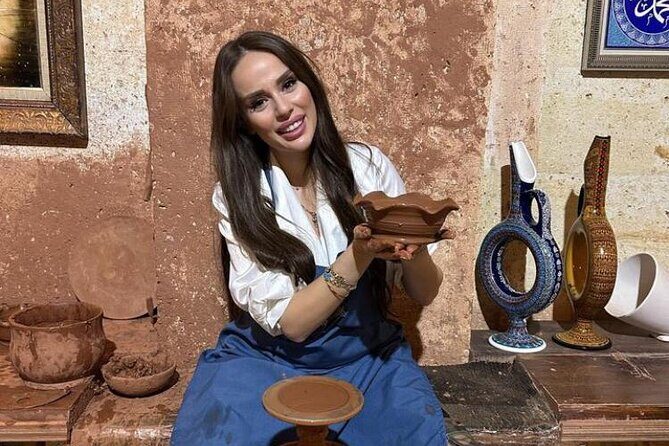
- A watch-then-try format: you see the process first, then get time to make your own pottery.
- Fresh Turkish tea is part of the show: a real break, not just background.
- Professional instructor guidance: you’re not left figuring it out alone.
- Showroom time means shopping decisions: be ready to browse and say yes or no fast.
- Short duration: great for a quick cultural stop, not for serious pottery study.
Historical pottery in Cappadocia, minus the long commitment
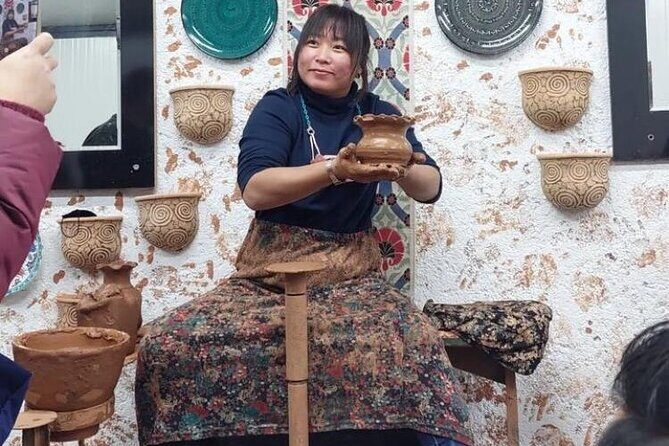
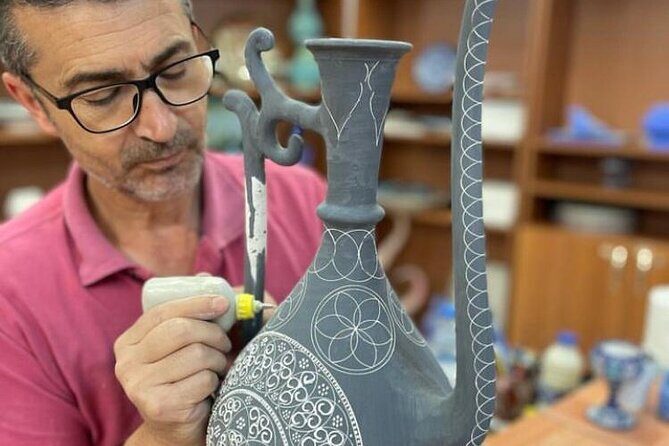
Cappadocia gets attention for rock-cut churches and underground cities, but ceramics belong here too. The region’s pottery tradition is tied to local materials and a style of decoration that’s recognizable even when you don’t speak Turkish. This experience keeps the focus on that craft: you’re not just passing by a shop—you’re getting a short, guided slice of the process and the cultural context.
The format is intentionally compact. For most people, that’s a plus. If you’re touring on tight schedules, a 30-minute pottery stop can be the kind of activity that adds variety without eating your whole day. And since you’re offered coffee and/or tea, you get a small reset during a sightseeing-packed trip.
Where it can fall short is expectation-setting. If you’re picturing a hands-on class where everyone gets lots of time to throw, shape, and finish pieces, this is more of a quick introduction. The hands-on portion is meant for trying—not training. If you’re going mainly to learn techniques for hours, you may feel the time is too brief.
You can also read our reviews of more historical tours in Goreme



Your half-hour itinerary: show first, then you try
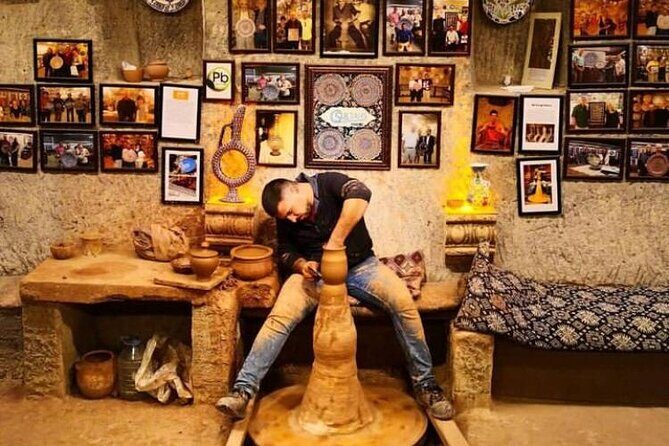
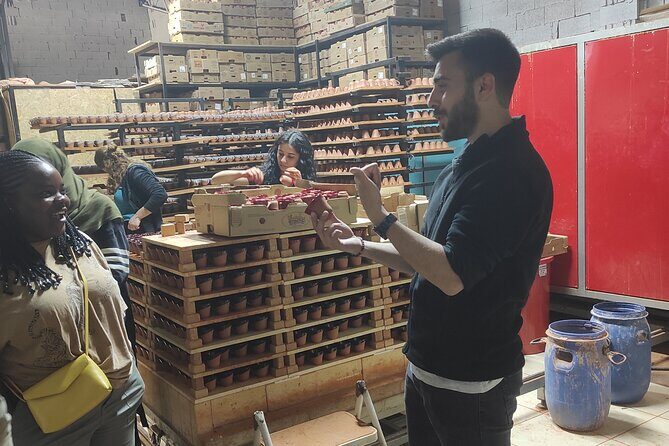
The flow is straightforward, and that’s part of why it works. You start at the pottery workshop, then you watch a pottery show. Tea shows up during the show, and they use the moment to explain what you’re seeing.
After the show, you try making pottery yourself. That’s the heart of it. Even with limited time, it helps you understand what the craft involves beyond looking at finished objects. The professional instructor is there to guide the basics, and the team also shares details about the art—like what makes certain designs special and how the craft ties into local culture.
The workshop show
The show is built like a quick storytelling lesson. You see the process and get an explanation of the craft and its design ideas. One practical benefit: you’re watching while your brain is still fresh from the first meeting, so the afterward instruction makes more sense.
Also, the fact that there is tea during the show matters more than it sounds. In short experiences, pacing is everything. Tea gives you a moment to slow down, listen, and absorb details instead of rushing through.
Trying pottery yourself
Then comes the hands-on part: you try making your own pottery. It’s a small taste of the work, so don’t treat it like a studio workshop where you’ll leave with something perfectly shaped and highly personalized. Think of it as a guided try.
A key consideration: the experience is shared as a group/private activity, and the flow can mean limited demo time for each person. If you’re the type who wants extra attention—lots of hands-on repetition—plan for the possibility that your time will be brief. The instructor is there, but the schedule is tight.
The cultural talk and design context
Before you leave, you’ll also get information about the art and special designs, plus local cultural context. This is where a short pottery experience can punch above its weight: you leave understanding what you’re looking at in the ceramics you might later buy or spot in shops around Cappadocia.
If you love crafts, design, and regional traditions, this added context makes the souvenir browsing after the show more meaningful. You’ll be able to connect patterns and styles to a story, not just a price tag.






The showroom reality: beautiful ceramics and clear buying choices
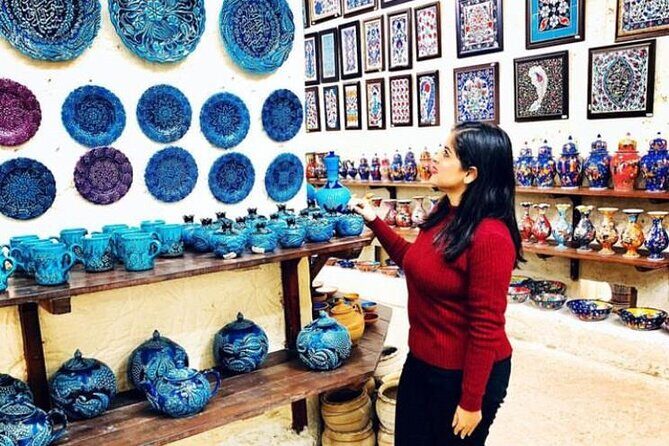
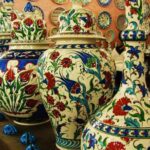
Most pottery workshops in Cappadocia include a showroom, and this one is no different. The experience ends back at the meeting point, which tells you the time is meant to be self-contained: show, try, listen, browse, decide.
Here’s the practical advice: go in with a plan for buying—or with a hard decision not to buy. Finished pieces can be gorgeous, but the sales experience can become pushy if you’re slow to respond. If you’ve ever had someone follow you around a store while you try to compare prices, you’ll know the feeling.
So how do you handle it?
- Set a budget in your head before you step into the showroom.
- If you’re not buying, stay polite but firm.
- Ask one direct question about price before you get pulled into comparisons.
The workshop’s strengths are the live craft demonstration and the guided try. The showroom is where value can get tricky, because it’s easy to confuse emotion (the piece looks amazing) with value (the price matches what you could get elsewhere). If you’re price-sensitive, treat the pottery you see here as a place to compare, not an automatic best deal.
Location and timing: Avanos meeting point with a Göreme label
The activity is listed for the Göreme area, but the actual meeting point is in Avanos at Ömürlü SeramikYeni, Hasan Kalesi Cd. 3 Sok D:26, 50500 Avanos/Nevşehir, Türkiye. That’s an important detail for your day planning.
What it means for you:
- You should expect you’ll need to get to Avanos on your own.
- There’s no hotel pick-up and drop-off, so build extra time to get there reliably.
- Because the tour ends back at the same meeting point, you’ll also need a way to return.
Timing-wise, the workshop runs Monday through Sunday from 9:30 AM to 4:30 PM. Since the experience is about 30 minutes, you can slot it between longer sights or use it as a calm pause when the rest of the day feels too active.
Also, confirmation comes at booking time, and the experience is typically booked around 6 days in advance. If you’re traveling in peak season, booking earlier can help you avoid getting stuck with fewer time slots.
Price and value: $12 for tea, instruction, and a try
At $12 per person, this is priced like a short add-on rather than a full class. In value terms, what you’re really paying for is:
- Tea/coffee included
- a guided historical pottery making experience
- a professional instructor
- a structured watch-then-try format
If you measure value by time spent hands-on, $12 may feel fair but also brief. If you measure value by how efficiently it adds variety to a Cappadocia day—craft lesson, tea break, and a chance to make something yourself—it starts to look like a solid deal.
Where value can get frustrating is when expectations don’t match reality. If you booked thinking you’d get a longer pottery class with lots of repeated practice, you may feel disappointed when the hands-on time is limited. And if you’re hoping the experience stays purely educational with zero sales push, you might find the showroom interaction a bit uncomfortable.
My practical take: buy only if you genuinely want a piece. Treat it like a craft show plus a try session, not like a guarantee of a long studio workshop.
Who this fits best (and who should skip it)
This pottery experience is best for you if you want a quick, guided introduction to Cappadocian ceramics. It’s a good fit when:
- you’re touring with a tight schedule
- you like short cultural activities that don’t exhaust your day
- you want to try pottery yourself, even briefly
- you value an instructor-led explanation of art and designs
It’s also a good choice if you like the idea of a tea-and-show break. Those little pauses matter on busy trips.
You might want to choose a different pottery option if:
- you’re looking for long, serious hands-on instruction
- you get stressed by sales pressure in showrooms
- you want an experience where every person gets lots of time doing the craft themselves
In other words: this is a nice taste of Cappadocia’s ceramic tradition. Just don’t expect it to replace a real ceramics workshop.
Should you book this historical pottery making stop?
Book it if you want a short, structured craft experience with tea and instructor guidance, and you’re okay with the hands-on portion being brief. It’s a sensible way to add texture to your Cappadocia day without paying for a half-day commitment.
Skip it—or shop around—if you’re expecting a full pottery class where you’ll spend most of the time working clay, or if you strongly dislike showroom sales pressure. The experience can still be enjoyable, but setting your expectations upfront saves you from that uncomfortable letdown.
If you do book it, come with a budget for any purchase and a clear mindset: enjoy the show, try making your piece, listen to the design explanations, then decide calmly what’s worth your money.
FAQ
Where is the meeting point for this pottery experience?
The start point is Ömürlü SeramikYeni, Hasan Kalesi Cd. 3 Sok D:26, 50500 Avanos/Nevşehir, Türkiye, and the activity ends back at the same meeting point.
Is hotel pick-up or drop-off included?
No. Hotel pick-up and drop-off are not included.
About how long does the experience last?
It runs for about 30 minutes.
How much does it cost?
It costs $12.00 per person.
What’s included in the experience?
It includes coffee and/or tea, the historical pottery making experience, and a professional instructor.
Is the tour offered in English?
Yes, it’s offered in English.
Is this activity private?
Yes. It’s listed as private, so only your group participates.
Will I get a mobile ticket?
Yes. A mobile ticket is included.
What are the opening hours?
Monday through Sunday, 9:30 AM to 4:30 PM.
Is free cancellation available?
Yes. You can cancel up to 24 hours in advance for a full refund.